

Production of the ensaimada de Mallorca rose by 12 percent in 2024, according to the Regulatory Council of the Ensaimada de Mallorca, driven by surging international interest in artisanal pastries with genuine heritage. If you have typed “best ensaimada near me” into a search bar recently, you are part of a growing wave of food lovers discovering what Mallorcans, Filipinos, and food-obsessed Spaniards have known for centuries: no spiral-shaped pastry dusted in powdered sugar or crowned with grated cheese has quite the same pull as this one.
What Is an Ensaimada, and Why Does It Have Such a Devoted Following?
The ensaimada is a fermented, spiral-shaped sweet bread with origins on the Spanish island of Mallorca in the Balearic Islands. Its name comes from the Mallorcan word “saïm,” meaning lard, the ingredient that gives the original version its characteristic lightness and layered texture. The first written references to ensaimadas de Mallorca date back to the 17th century, when documents confirm they were made for festivities and celebrations. From the 18th century onward, the pastry became popular among the middle and upper classes as a typical snack accompanied by a cup of hot chocolate.
What makes the ensaimada remarkable is the deceptive simplicity behind a technically demanding product. The dough undergoes a long fermentation process of more than 12 hours, and the experience of the person baking it is fundamental in ensuring it acquires all the necessary characteristics. A rushed ensaimada is immediately detectable: dense, dry, and forgettable. A properly made one pulls apart into gossamer layers, yielding a texture that is simultaneously airy and rich.

How Did a Mallorcan Bread Conquer Three Continents?
The story behind the pastry is layered with cultural history. It is believed that the ensaimada originated in the Jewish community of Mallorca, who made a sweet bread similar to challah to celebrate the Sabbath. After the expulsion of Jewish people from Spain beginning in 1492, those who converted to Christianity adapted the original recipe by replacing olive oil with lard to demonstrate their Christian faith. That ingredient change, however practical or political its motivation, is precisely what gave the ensaimada its signature texture.
The Spanish colonization of the Philippines then carried the pastry across the Pacific. With their ensaïmada, the Spanish occupying forces brought a rich, yeast-raised pastry to the islands that achieved great popularity among the native inhabitants.
The Two Great Traditions: Spanish vs. Filipino, and Why the Difference Matters
When you search for the best ensaimada near you, understanding that two largely distinct traditions exist under the same name will save confusion and help you find exactly the version you are after.
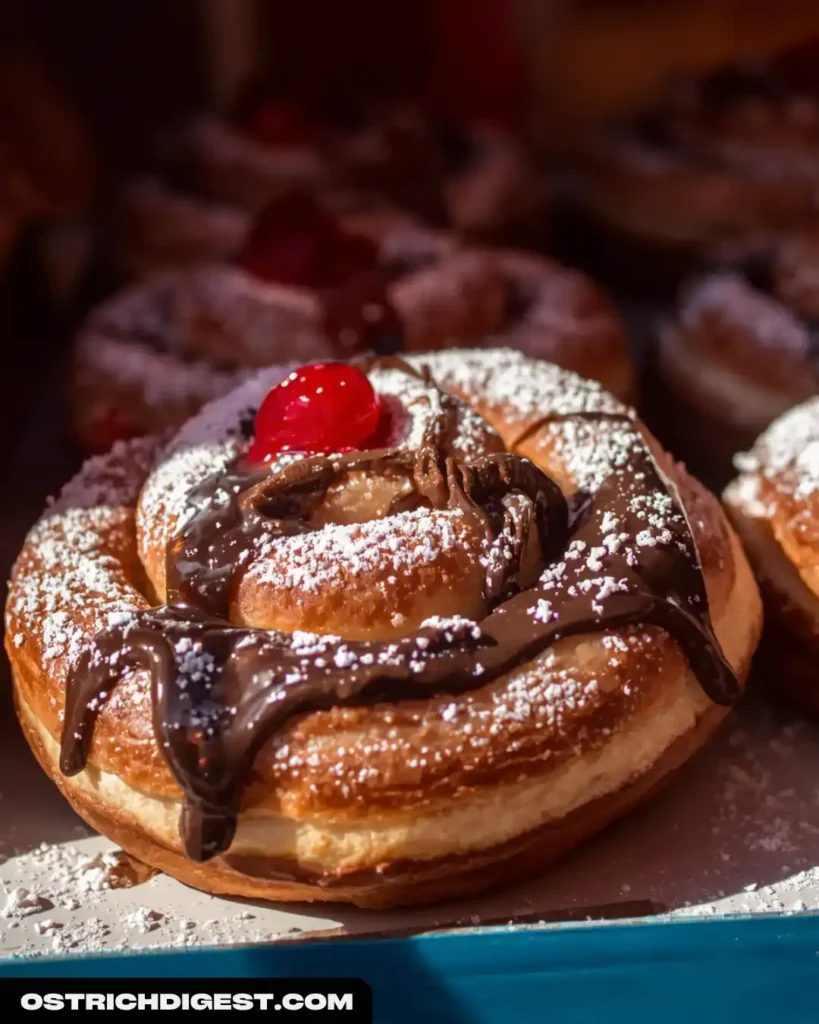
The Spanish version, particularly the protected Mallorcan original, is flaky, relatively understated in sweetness, and finished with a heavy dusting of powdered sugar. Furthermore, over 50 percent of Mallorcan bakeries have been in operation for more than 150 years, many run by fifth-generation pastry makers.
The Filipino version, on the other hand, is a distinctly different experience. Filipino ensaymada is much softer, sweeter, and richer than its Spanish counterpart .That sweet-salty-creamy combination is what makes the Filipino version so distinctive and, for many, intensely nostalgic.
| Feature | Mallorcan (Spanish) | Filipino (Ensaymada) |
|---|---|---|
| Fat used | Pork lard (saïm) | Butter or vegetable shortening |
| Texture | Airy, flaky, light layers | Soft, pillowy, dense-fluffy |
| Sweetness | Delicate, understated | Richer, more pronounced |
| Classic finish | Powdered sugar | Butter, sugar, grated cheese |
| Common fillings | Pumpkin jam (cabello de ángel), sobrasada, pastry cream | Ube, chocolate, caramel, cream cheese |
| Shape | Large flat coil | Individual coiled rounds or muffin-shaped |
| PGI protection | Yes (EU and Spain) | Not applicable |
Neither tradition is more correct than the other. They have simply evolved in parallel, shaped by the ingredients, tastes, and cultures of entirely different regions. Consequently, the bakery you seek depends entirely on which experience you want.
What Are the Most Popular Ensaimada Varieties You Might Find Near You?
Once you know whether you are seeking the Spanish or Filipino tradition, the variety of flavors and fillings within each school is broad. Other varieties found in Mallorcan bars and cafés include fillings of pastry cream, whipped cream, and sobrasada sausage for a savory option. The savory-sweet combination of the sobrasada version, with the spicy, fatty sausage balanced against the lightly sweet dough, is one of the most memorable things a pastry lover can try.
Within the Filipino tradition, the range is considerably wider. The most usual flavors are ube (purple yam), caramel, and chocolate, though modern bakeries have expanded to Nutella, Biscoff, matcha, peanut butter, and langka (sweetened jackfruit). Regional styles also differ significantly. In the southeastern Bulacan province, consumers favor rolls decorated with slices of salted duck egg. The ube ensaymada, incorporating ube halaya into the dough or as a filling, adds a vibrant purple color and a mildly sweet, earthy flavor that has become one of the most photographed pastries anywhere.
Where Should You Actually Look for the Best Ensaimada Near You?
Finding the best ensaimada near me requires knowing which type of establishment to seek out, and how to evaluate them before you spend money on something disappointing.
Filipino Bakeries and Specialty Bread Shops
For the Filipino style, the most reliable sources are dedicated Filipino bakeries and pan de sal shops, particularly those run by families with multigenerational baking traditions. In cities with significant Filipino communities, these establishments are frequently found in neighborhood strip malls, public markets, or as standalone bakeshops.
Ask staff which flavors are most popular, as locals often know the hidden favorites that do not make it onto the website or front display. A shop that bakes their ensaymada daily will know exactly which flavor sold out first, and that is the one to request.
Spanish Delicatessens and Specialty Food Importers
For the Mallorcan style outside of Spain, your best options are Spanish specialty food shops, delicatessens carrying imported European pastries, and restaurants or cafés run by Spanish families. Some Spanish delis carry vacuum-sealed ensaimadas imported directly from Mallorca, which retain their texture well in their distinctive round boxes. While these imported versions may not match the magic of a fresh-baked one, a genuine Mallorcan ensaimada even at a few days old is still a superior experience to most bakery imitations.
Specialty Cafés and Artisan Bakeries
A third category worth exploring is the artisan bakery or specialty café that has added ensaimada to its repertoire as part of a broader commitment to international pastry traditions. These establishments sometimes produce exceptional results, particularly when the baker has trained in Spain or has personal ties to Mallorcan or Filipino baking culture. Search terms like “Spanish pastry,” “Filipino bread,” or “pan de sal” alongside your neighborhood name will surface these spots more reliably than searching for ensaimada alone.
How Do You Spot a High-Quality Ensaimada Worth Buying?
Several concrete indicators separate a genuinely well-made ensaimada from a mediocre one, regardless of which tradition it belongs to.
Freshness and Texture
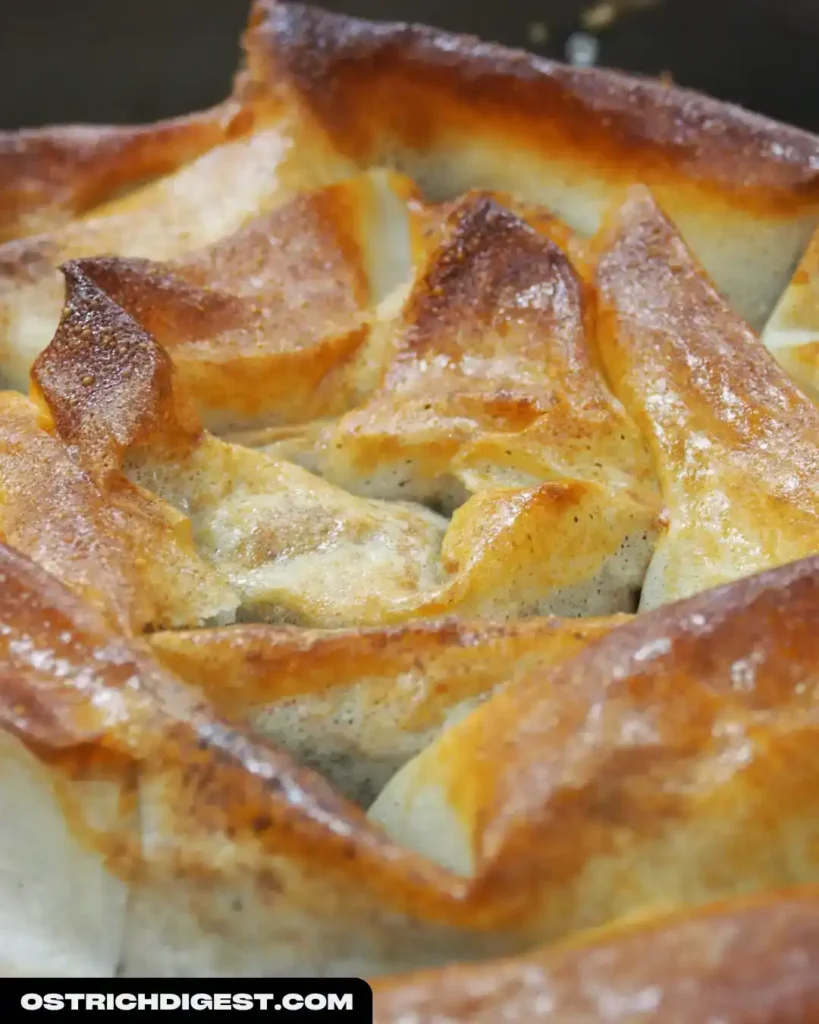
Texture is the single most reliable quality indicator. A great ensaimada should feel soft when you press it lightly and pull apart into delicate, distinct layers. For the Spanish style, the pastry should be light and airy with a faint crispness on the exterior; the combination of a flaky, crispy texture with a tender interior surprises many first-timers expecting something heavier. For the Filipino style, the bread should be pillowy and yielding, not rubbery or gummy, with a rich buttery interior that pulls cleanly rather than tearing in damp clumps.
A dry surface, grey tinge around cut edges, or a flat rather than puffed spiral all signal that the ensaimada was baked too long ago. Ask when the batch was made. A confident vendor will answer immediately; hesitation or evasion is itself informative.
Dough and Ingredient Quality
The foundation of every ensaimada is a yeast-raised wheat dough with a high sugar, fat, and egg content. Skimping on any of these ingredients produces a thin, one-dimensional result. Similarly, good mayonnaise dictates texture in the ensalada rusa world; good fat dictates everything in the ensaimada world.
For the Filipino version, the quality of the cheese topping matters as well. Authentic versions use a sharp, salty cheese that cuts through the sweetness of the butter and sugar coating. A bakery using bland processed cheese will produce a noticeably flatter experience than one using properly aged or native cheese varieties.
The Smell Test
Walking into a bakery that bakes ensaimada fresh daily produces an immediate, unmistakable aroma: warm yeast, butter, and faintly sweet baked dough. That smell is not easily faked. A shop relying on pre-baked or frozen product will smell of very little at all. Indeed, the nose is one of the most useful tools a pastry hunter carries.
Practical Tips for Ordering, Storing, and Serving Ensaimada
Once you have identified a reliable source, a few practical details extend and improve the experience.
Ordering ahead is advisable for popular bakeries, particularly around Philippine holidays, Christmas, and other celebrations when the Filipino ensaymada becomes a staple on family tables. During Christmas and New Year, ensaymada becomes even more popular, with many families ordering from specialty bakeries to serve it alongside other holiday treats. A pre-order placed 24 to 48 hours in advance ensures the freshest available batch at collection time.
Regarding storage, ensaimada does not refrigerate well. Cold air accelerates staling and toughens the dough. Most well-made ensaimadas are at their best within the first six hours of baking.
For serving, the Spanish tradition pairs ensaimada with café con leche or hot chocolate, particularly for breakfast or an afternoon snack called the merienda. The Filipino tradition pairs it similarly with hot chocolate, tsokolate, or black coffee. Nevertheless, a fresh ensaymada with salted duck egg on top alongside a cold glass of milk is a perfectly regional combination that needs no cultural justification beyond the fact that it works.
Why the Ensaimada’s Popularity Keeps Growing, and What That Means for Your Search
The 12 percent production increase recorded by the Mallorcan Regulatory Council in 2024 reflects a broader global trend toward artisanal pastries with traceable heritage. Additionally, the Filipino ensaymada diaspora has carried the bread to communities across the United States, Canada, the United Kingdom, the Middle East, and Australia, meaning that in most cities with any significant Filipino community, a quality version is closer than many people realize.
Moreover, the rise of Filipino food culture internationally has elevated once-niche items like ensaymada into genuine food media coverage. Moreover, social media has turned the ube ensaymada’s vivid purple spiral into a regularly shared image, introducing the pastry to audiences who had no prior cultural connection to it. Subsequently, artisan bakers outside the Filipino and Spanish communities have begun adding their own takes on the form to menus.
The best ensaimada near me is, ultimately, the one that tastes as though someone cared about making it correctly, not efficiently. Seek out the freshness, trust the smell, and ask the people behind the counter which one they would take home.
Frequently Asked Questions
What is the difference between ensaimada and ensaymada?
They are the same pastry spelled differently by tradition. “Ensaimada” is the Spanish spelling from Mallorca, while “ensaymada” is the Filipinized spelling used in the Philippines, where the recipe has been significantly adapted.
Is ensaimada gluten-free?
No. Traditional ensaimada is made from wheat flour as its primary ingredient and contains gluten. There is no standard gluten-free version in the traditional Mallorcan or Filipino recipes.
Why is the Mallorcan ensaimada so much lighter than the Filipino version?
The Mallorcan version uses reduced pork lard and undergoes a long cold fermentation of more than 12 hours, producing distinct flaky layers. The Filipino version uses butter or shortening in a much richer, higher-hydration dough, resulting in a softer, denser crumb.
What does a quality ensaimada taste like?
A well-made Mallorcan ensaimada tastes mildly sweet, buttery, and slightly yeasty with a light, airy texture. The Filipino version is sweeter, richer, and has a distinct savory-sweet balance from the cheese topping.
How long does ensaimada stay fresh?
Most ensaimadas are at their best within six hours of baking. They should be stored at room temperature wrapped in paper, not refrigerated, as cold air stales the dough quickly.
Can you freeze ensaimada?
Freezing is generally not recommended. It affects the delicate layered texture of the Spanish version and makes the Filipino version gummy when thawed. Eating it fresh is strongly preferable.
What is the best way to reheat ensaimada?
A short 3-to-5-minute warm in a low oven at around 150°C revives the pastry reasonably well without drying it out. Microwaving produces uneven results and often toughens the dough.
Is the ensaimada in the Philippines the same as in Spain?
They share the same origin but are now distinct pastries. The Filipino ensaymada is softer, sweeter, uses butter instead of lard, and is topped with butter, sugar, and grated cheese rather than powdered sugar.
What is cabello de ángel in an ensaimada?
Cabello de ángel, meaning angel hair, is a sweet jam made by cooking the flesh of a type of pumpkin with sugar until it forms fine, glossy strands. It is one of the two filling varieties officially protected under the Ensaimada de Mallorca geographical indication.
How do I know if a Filipino bakery makes its ensaymada fresh daily?
Arrive before noon and observe the display. Fresh stock looks puffed and glossy. Ask staff when the current batch was baked. A bakery proud of its product will answer without hesitation and often tell you the next bake time.
Read about Find the Best Ensalada Rusa Navidad Near me