

A pot of sancocho colombiano has sat at the center of Colombian family life for centuries, and food media is finally catching up. In 2024, Bon Appétit named Colombian cuisine one of the most underrepresented in American cities. The magazine pointed to regional stews like sancocho as proof of how much the rest of the world has been missing. If you typed “best sancocho colombiano near me” into a search bar recently, you join a growing wave of diners hunting for the real version. This guide gives you everything you need to find it, evaluate it, and understand what separates a great bowl from a mediocre one.
What Makes Sancocho Colombiano Different From Other Latin Stews?
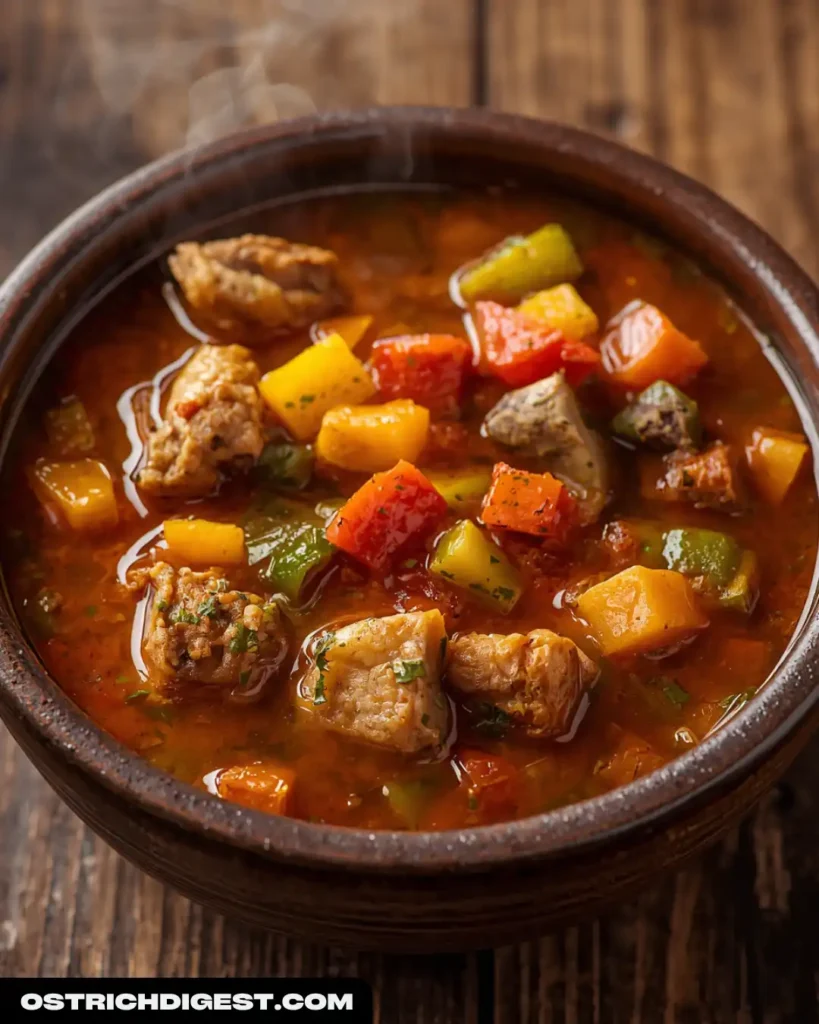
Sancocho is not a single dish. It is a family of bone-in meat stews built around a thick, starchy broth. Cooks serve it with rice and avocado on the side. However, the Colombian version carries a character entirely distinct from Dominican, Puerto Rican, or Venezuelan interpretations. The difference lives in the ingredients, the sequencing, and the time a Colombian cook is willing to spend at the stove.
How Does the Colombian Broth Get Its Depth?
The broth starts with bone-in chicken, beef ribs, or a combination of both. Cooks add plantain, yuca, corn on the cob, and papa criolla in careful sequence. Each ingredient enters the pot at a different stage so it reaches its ideal texture without turning to mush. The result is a naturally thick, deeply savory broth that needs no roux or thickening agent whatsoever.
Furthermore, Colombian cooks season early with guascas, a dried herb that gives the Bogota-style version known as ajiaco its signature earthy note. Not every regional sancocho uses guascas. However, its presence often separates a home-style Colombian pot from a generic Latin stew served at a pan-Latin restaurant chasing a broader audience.
What Are the Main Regional Variations?
Colombia spans many microclimates and culinary regions. Sancocho varies dramatically from one area to the next. A bowl from Cali tastes nothing like one from Cartagena, and both differ sharply from what a Bogota abuela would make on a Sunday morning. The table below outlines the major regional styles you may encounter on a menu.
| Regional Style | Primary Protein | Key Ingredients | Typical Region |
|---|---|---|---|
| Sancocho de Gallina | Hen (whole or cut) | Guascas, papa criolla, mazorca | Bogota and Cundinamarca |
| Sancocho Trifásico | Chicken, beef ribs, pork | Yuca, green plantain, corn | Valle del Cauca, Cali |
| Sancocho Costeño | Fish or chicken | Coconut milk, ñame, auyama | Caribbean Coast, Cartagena |
| Sancocho Antioqueño | Pork or hen | Yuca, green banana, papa criolla | Medellin and Antioquia |
| Sancocho de Cola | Oxtail | Root vegetables, beef broth | Nationwide |
Moreover, Cali-style sancocho trifásico is the version most commonly found in Colombian restaurants outside Colombia. Valle del Cauca has one of the largest diaspora communities in cities like Miami, New York, and Los Angeles. If you find a Colombian restaurant in your city, there is a strong chance it serves a version rooted in that Cali tradition.
How Do You Know If a Restaurant Is Making It Authentically?
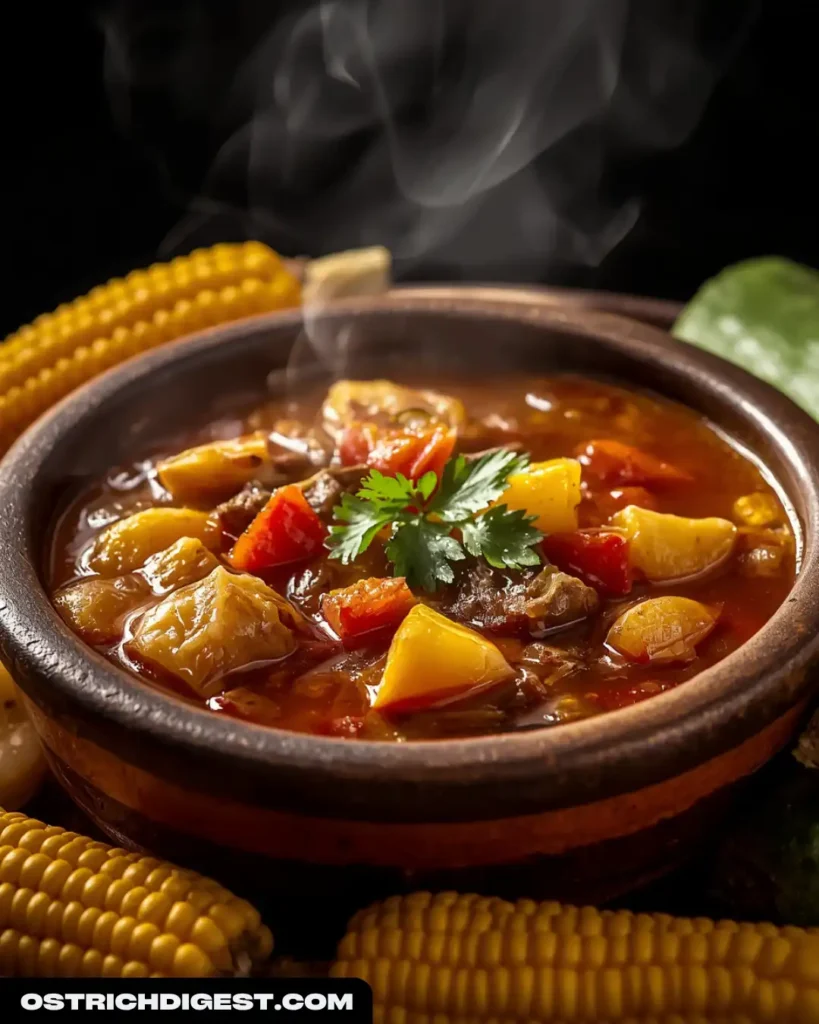
The most reliable signal of an authentic bowl is the broth. A well-made sancocho colombiano carries a golden, slightly cloudy color. That cloudiness comes from starch released by yuca and plantain during the long cook. A thin, clear broth almost always means the cook skipped the long simmer. It can also mean the kitchen used pre-washed, pre-cut vegetables stripped of their natural starch before the pot even started.
Look at the surface of the broth too. A light sheen of rendered fat from the bone-in protein tells you the cook did not skim the pot too aggressively. That fat carries flavor. Restaurants cutting corners often remove it entirely, which produces a cleaner-looking but significantly less satisfying bowl.
What Should Be on the Table When Sancocho Arrives?
Authentic service includes far more than just the bowl. A proper plate of sancocho colombiano should arrive with white rice, a half avocado, and ají. Ají is a fresh hot sauce made from ají amarillo or similar peppers. Some restaurants also serve a small cup of the cooking broth separately as a first course before the full bowl arrives. A restaurant that sends out the stew alone, without these accompaniments, is sending a meaningful quality signal worth noting.
Additionally, the protein should still sit on the bone. Boneless sancocho sacrifices collagen and fat. Both are essential to the broth’s texture and richness. A kitchen that removes the bone before service is prioritizing convenience over flavor, and the bowl will taste noticeably thinner as a result.
Why Does Ingredient Quality Matter So Much in This Dish?
Sancocho colombiano has no sauce to hide behind. The broth is the dish. That means every ingredient contributes directly to the final flavor in a way that a heavily spiced or sauced stew would mask. A kitchen using frozen yuca from a poor-quality supplier will produce a noticeably starchier and less aromatic broth than one sourcing fresh yuca weekly from a Latin produce market. Indeed, the gap between a great sancocho and a forgettable one often comes down entirely to ingredient sourcing rather than technique.
What Should You Search for When Looking for Sancocho Colombiano Near You?
Search terms matter enormously when you want the real version and not a generic Latin stew mislabeled on a menu. The right approach consistently surfaces better results and saves you a wasted trip.
Start with the regional modifier. Searching “Colombian restaurant” often returns a broad mix of arepas counters and pan-Latin spots. Instead, try “sancocho de gallina,” “sancocho trifásico,” or “restaurante colombiano” in your city. Spanish-language search terms tend to surface restaurants marketing to Colombian diners rather than to curious outsiders. That distinction is generally a reliable quality proxy.
Subsequently, check whether the restaurant lists guascas, papa criolla, or yuca in the dish description. These ingredients are not interchangeable with generic substitutes. A kitchen that names them specifically is likely sourcing them with care. Google and Yelp reviews mentioning “homemade,” “fresh broth,” or “tastes like Colombia” in Spanish are also strong positive indicators worth seeking out before you commit to a visit.
What Days of the Week Do Restaurants Usually Serve Sancocho?
In Colombia, sancocho is a weekend dish. Families prepare it on Saturday or Sunday when they have two to three hours for the pot to simmer properly. Many Colombian restaurants in the United States follow the same logic. They offer sancocho only on weekends or as a Friday-through-Sunday special. Calling ahead to confirm availability before making a dedicated trip is always a smart move. Nothing is more disappointing than arriving specifically for sancocho and discovering it is not on the menu that day.
How Do Online Reviews Help You Evaluate a Restaurant?
Not all reviews carry equal weight. Look specifically for reviews that mention the broth, the texture of the yuca, or the quality of the avocado and rice on the side. Generic five-star reviews praising “great food and service” tell you very little about sancocho quality specifically. Reviews written in Spanish by Colombian diners, particularly those mentioning regional comparisons like “reminds me of Cali” or “tastes like my grandmother’s,” carry far more weight. These reviewers have a baseline reference that most diners simply do not possess.
Where Are the Strongest Colombian Restaurant Scenes in the United States?
According to a 2023 report by the James Beard Foundation, Colombian-owned restaurants have grown significantly across several metropolitan areas. The highest concentration outside New York and Miami now appears in Houston, Los Angeles, Chicago, and Washington D.C. Each of these cities has a Colombian community large enough to support restaurants cooking for that community first, which is exactly the condition that produces authentic food.
Which Cities Have the Most Authentic Options?
Miami’s Doral neighborhood has a density of Colombian restaurants that rivals any city outside of Bogota. The neighborhood earned its reputation over decades of Colombian immigration and now hosts everything from casual lunch counters to full-service restaurants serving weekend sancocho to families who drove specifically for the experience. Nevertheless, New York’s Jackson Heights and Corona neighborhoods in Queens remain the most celebrated Colombian dining destinations in North America. Several restaurants there have operated continuously for more than two decades, building loyal followings that extend well beyond the local Colombian community.
Houston’s southwest side has grown its Colombian food options rapidly since 2020, according to reporting by the Houston Chronicle. The city’s large and growing Colombian population has created demand for authentic regional cooking. Chicago’s Pilsen and Logan Square neighborhoods have also added several Colombian spots in recent years. Many of them serve weekend sancocho as their signature item and draw consistent lines by late morning on Saturdays.
Washington D.C.’s northern Virginia suburbs, particularly the areas around Arlington and Falls Church, have developed a strong Colombian restaurant cluster. The James Beard Foundation’s 2023 data specifically highlighted the D.C. metro area as one of the fastest-growing markets for Colombian food outside of the traditional coastal hubs.
What About Smaller Cities and Suburban Areas?
You do not need to live in a major metropolitan area to find quality sancocho colombiano. Many mid-sized American cities with universities or large healthcare industries have attracted Colombian professionals and, with them, Colombian home cooks who eventually open restaurants. Cities like Charlotte, Orlando, Tampa, and Atlanta all have established Colombian communities that support at least a handful of serious restaurants. Furthermore, suburban Latin grocery stores in these cities often carry the key ingredients, which means that even when restaurants fall short, home cooking becomes a viable alternative.
How Can You Make Sancocho Colombiano at Home If You Cannot Find It Nearby?
If your city lacks a Colombian restaurant worth the drive, the dish is genuinely achievable at home. You need a Latin grocery store for yuca, green plantain, and mazorca, which is corn on the cob cut into sections. Papa criolla is the hardest ingredient to source fresh, but frozen versions distributed through Latin grocery chains work well as a substitute. Colombian food writers at outlets including Eater have specifically noted that frozen papa criolla retains enough starch and flavor for a respectable home version.
The core technique requires no special equipment at all. Use a wide, heavy-bottomed pot. Start with bone-in chicken thighs or beef short ribs. Simmer for two hours and add vegetables in stages during the final 45 minutes. That process alone produces a broth that rivals many restaurant versions. Guascas are available online from specialty Latin food retailers and ship throughout the country, typically arriving within two to three business days.
What Mistakes Do Home Cooks Make Most Often?
The most common home cooking mistake is adding all the vegetables at once. Yuca takes longer to cook than plantain, and plantain takes longer than papa criolla. Adding them simultaneously produces a pot where some ingredients are overcooked to mush while others remain hard. Additionally, many home cooks use boneless chicken breast, which produces a thin, uninspiring broth. Bone-in thighs or a whole hen are essential for the collagen that gives the broth its body. Therefore, investing in the right cut of meat matters far more than any other single decision in the recipe.
What Is the Best Way to Order Sancocho at a Colombian Restaurant?
Ordering well means knowing the menu vocabulary. Most Colombian restaurants list sancocho as a full entree rather than a soup. The portion is typically large enough to constitute a complete meal for one person. Ordering rice and ají separately is often unnecessary, as most kitchens include them automatically with the bowl.
Consequently, if the menu lists multiple sancocho options, ask the server which version the kitchen prepared that day. A kitchen running multiple regional styles will usually have one pot simmered that morning and another from the day before. Always choose the freshest pot. The difference between a same-day sancocho and a reheated one is immediately apparent in the broth clarity and the texture of the root vegetables.
How Should You Pair Sancocho With Drinks?
In Colombia, sancocho traditionally accompanies agua de panela, a warm drink made from unrefined cane sugar dissolved in water, or a cold Colombian lager like Águila or Club Colombia. Many Colombian restaurants in the United States stock Colombian beers specifically for this pairing. Additionally, a fresh-squeezed lulo or maracuyá juice works well for those who prefer a non-alcoholic option that complements the savory broth without competing with it.
Is Sancocho Colombiano Worth Ordering for a Group?
Sancocho is inherently a communal dish. In Colombia, cooks prepare it in large quantities for family gatherings, celebrations, and Sunday lunches that last the entire afternoon. Many Colombian restaurants in the United States offer family-style portions or large-format orders for groups. If you plan to visit with four or more people, asking whether the restaurant offers a group sancocho service is entirely appropriate. Some kitchens will prepare a dedicated pot for a table of six or more, which produces a noticeably fresher and more customized result than individual bowls pulled from a single large batch.
Frequently Asked Questions About Sancocho Colombiano
What is the difference between sancocho and ajiaco?
Ajiaco is a Bogota-specific soup made with three types of potato and guascas, while sancocho is a broader category of meat and root vegetable stews found across Colombia and the wider Caribbean.
Is sancocho colombiano spicy?
The stew itself is mild and savory. Ají, a fresh condiment on the side, delivers heat, but the dish itself carries no inherent spice.
Can sancocho colombiano be made without meat?
Traditional recipes always use meat as the base. Some modern Colombian restaurants offer vegetarian versions with mushrooms and root vegetables, but these fall outside the traditional preparation.
What protein does the most common sancocho colombiano use?
Hen (gallina) is the most traditional protein and produces the richest broth. Outside Colombia, chicken thighs are the most common substitute in restaurant kitchens.
How long does it take to cook authentic sancocho colombiano?
A proper sancocho needs at least two hours of simmering to develop its characteristic depth of flavor. Some cooks extend that to three hours or more for an even richer result.
What vegetables are essential in sancocho colombiano?
Yuca, green plantain, mazorca, and some form of potato, ideally papa criolla, form the core. Auyama, a squash similar to butternut, appears in coastal versions from the Caribbean region.
Is sancocho colombiano gluten-free?
Yes, the traditional version is naturally gluten-free. Diners with celiac disease should confirm that the restaurant uses no thickeners or additives in their specific preparation.
What does sancocho colombiano taste like?
The flavor is deeply savory and slightly earthy from the root vegetables. Collagen from the bone-in protein gives the broth a natural body and richness that sets it apart from lighter soups.
What is the best side dish for sancocho colombiano?
White rice and sliced avocado are the standard accompaniments. Some regional versions also come with hogao, a Colombian tomato and onion sauce that adds brightness to the rich broth.
How do Colombian restaurants typically serve sancocho colombiano?
Most restaurants serve it as a full entree in a large bowl or clay pot, with rice, avocado, and ají on the side. In traditional settings, a small cup of broth arrives first as a light appetizer before the main bowl.
Read about Best Ensaimada Near Me