
Starting Point
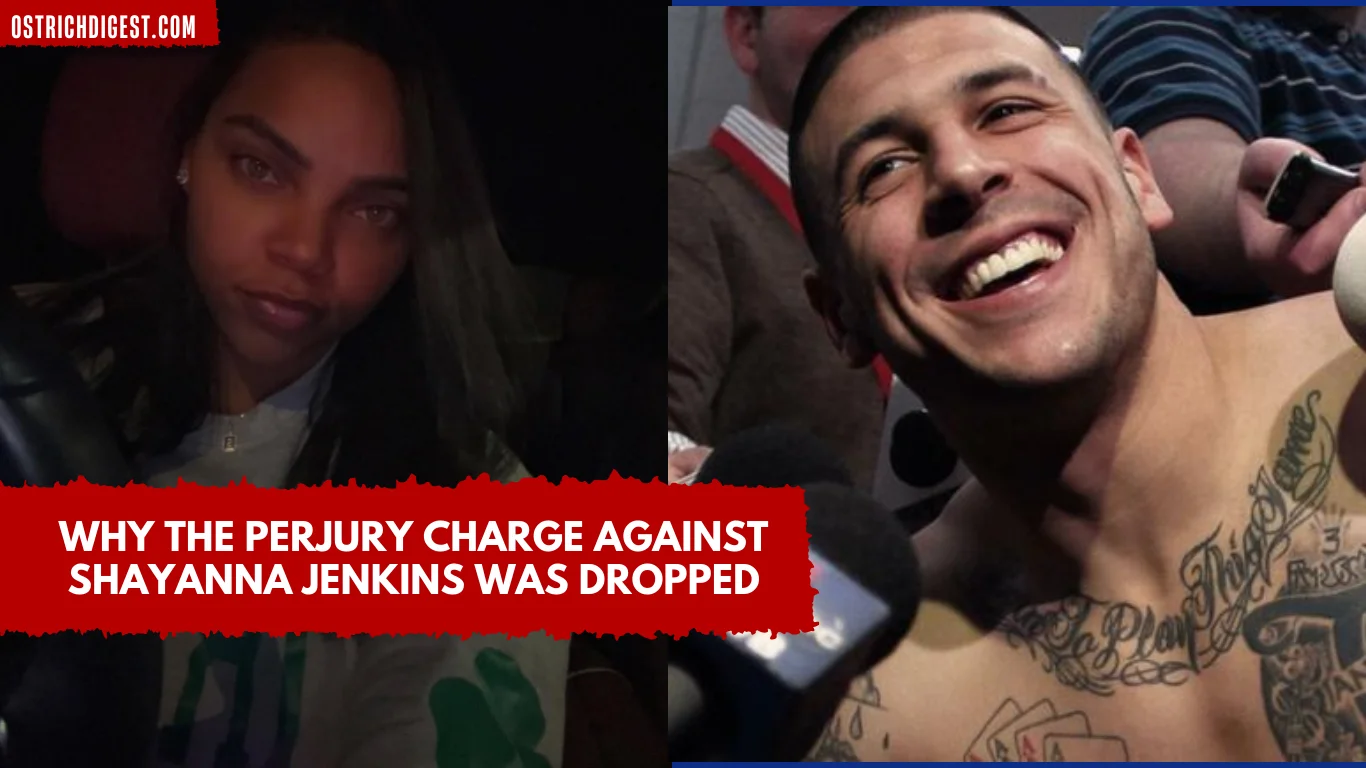
On May 15, 2015, a Massachusetts judge officially dropped the perjury charge against Shayanna Jenkins-Hernandez following the murder conviction of her fiancé, Aaron Hernandez.
The dismissal came after a complex legal strategy by prosecutors during Hernandez’s trial for the murder of Odin Lloyd. The decision marked a major turning point in a case that had already captured national attention.
Background: The Perjury Allegations
Before the trial concluded, prosecutors accused Jenkins-Hernandez of lying to a grand jury.
The Original Claims:
- She allegedly lied 29 times during grand jury testimony.
- Prosecutors claimed she misled investigators about disposing of a box.
- Authorities believed the box may have contained the murder weapon.
These allegations led to a perjury charge, placing her at risk of criminal prosecution.

The Immunity Agreement Explained
However, in February 2015, prosecutors made a key legal move.
Immunity Grant:
- The purpose was to compel her testimony during Aaron Hernandez’s murder trial.
- Under immunity, her testimony could not be used to prosecute her for related offenses.
This agreement significantly changed the legal landscape of her case.
Why Prosecutors Dropped the Perjury Charge
After Hernandez was convicted, prosecutors filed a motion to dismiss the perjury charge.
Official Reason:
They cited her “more truthful testimony” during the trial as the basis for dismissal.
In legal terms, prosecutors stated they could no longer pursue the case in good faith, given her trial cooperation.
This move reflected the practical reality that once immunity was granted and testimony secured, continuing the perjury prosecution became legally complicated.
Defense Perspective
Jenkins-Hernandez’s attorney, Janice Bassil, strongly criticized the original charge.
Defense Arguments:
- The grand jury testimony included 1,630 questions.
- Any inconsistencies were described as an “honest mistake.”
- The interrogation process was characterized as exhausting and overwhelming.

Emotional Moment Outside the Courtroom
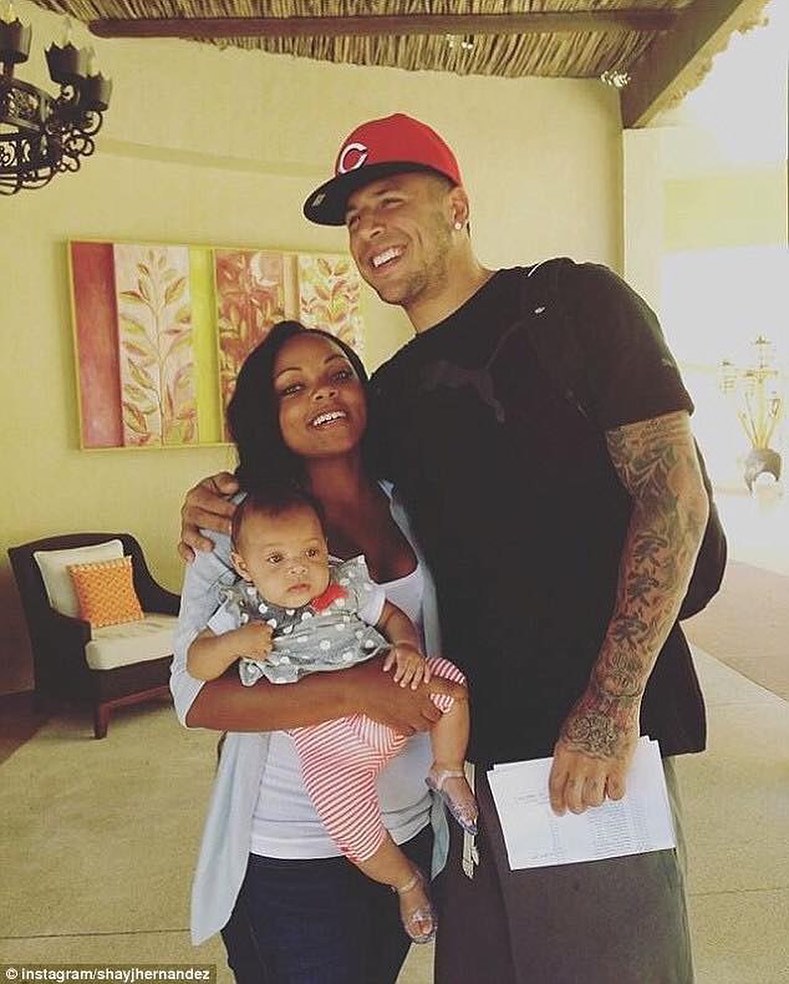
After the charge was officially dismissed on May 15, 2015, Jenkins-Hernandez spoke briefly to reporters.
She stated she was:
“Feeling great” and ready to move forward with her daughter.
The dismissal allowed her to avoid criminal conviction and focus on her family life.

Legal Timeline Summary
| Date | Event |
|---|---|
| 2013 | Murder of Odin Lloyd |
| Grand Jury Phase | Jenkins accused of lying 29 times |
| February 2015 | Immunity granted |
| April 2015 | Aaron Hernandez convicted |
| May 15, 2015 | Perjury charge dismissed |
Why This Case Drew National Attention
The case gained widespread media coverage because:
- Aaron Hernandez was a former NFL star.
- The immunity deal sparked debate about prosecutorial strategy.
The dismissal highlighted how immunity agreements can reshape legal outcomes.
Frequently Asked Questions (FAQs)
What role did immunity play in the dismissal?
Immunity granted in February 2015 protected her from prosecution in exchange for her testimony during Aaron Hernandez’s trial.
What did Shayanna Jenkins say after the dismissal?
She told reporters she was “feeling great” and ready to move forward with her daughter.
Did the immunity agreement guarantee dismissal?
Not automatically; however, it significantly limited prosecutors’ ability to pursue the perjury charge after securing her testimony.
What is the Netflix documentary?
The Netflix documentary is titled Killer Inside: The Mind of Aaron Hernandez. It explores the life, crimes, and psychological profile of former NFL player Aaron Hernandez.
Conclusion
The dismissal of Shayanna Jenkins-Hernandez’s perjury charge was the result of a calculated legal strategy involving immunity and cooperation. The decision ultimately closed one chapter of a high-profile legal saga that remains one of the most widely discussed criminal cases of the 2010s.