
Starting Point
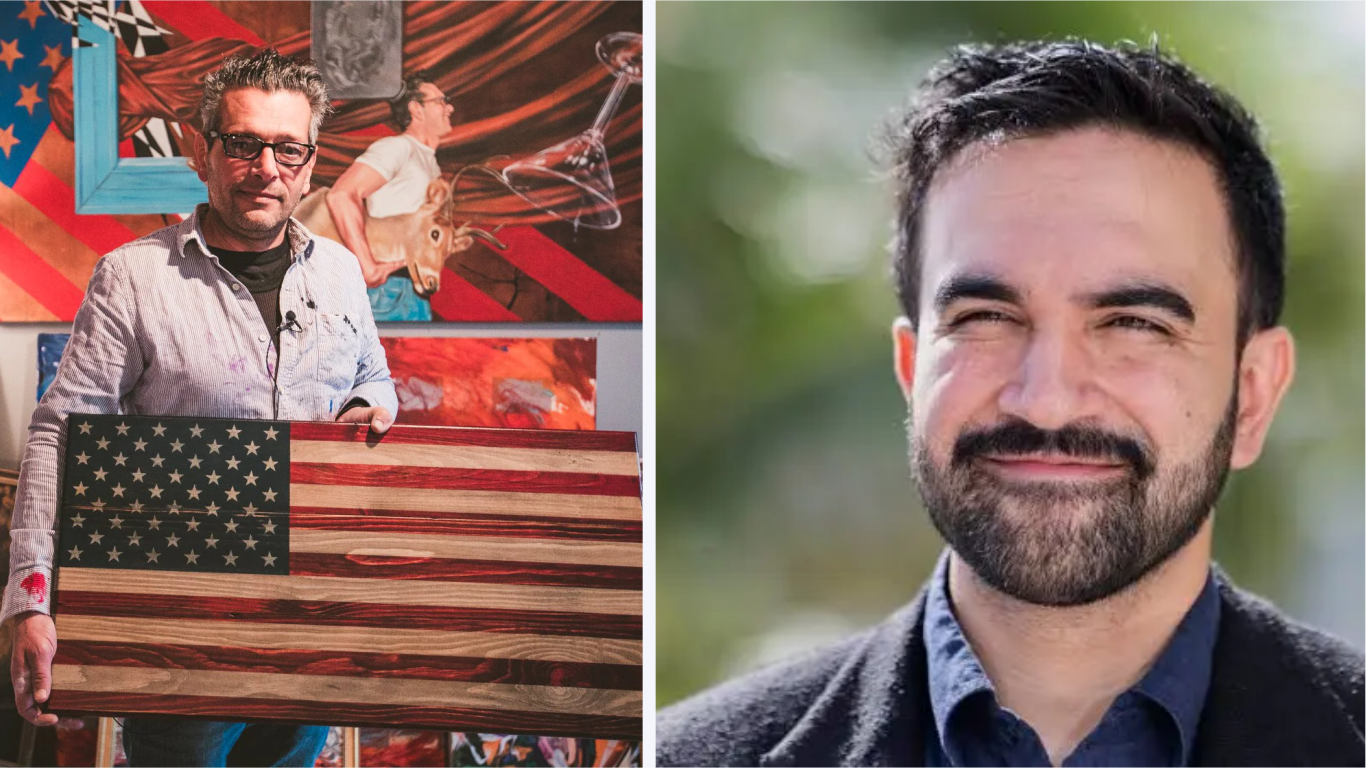
Scott LoBaido has once again stepped into the political spotlight, this time for his outspoken criticism of New York City mayoral candidate Zohran Mamdani. Known for blending bold patriotic art with provocative political messaging, LoBaido’s latest comments reflect his long-standing approach to activism, using creativity to challenge policies he disagrees with.
As of April 2026, his criticism of Mamdani’s policies has sparked conversations across political and artistic circles, highlighting the growing intersection between art, activism, and local politics in New York City.
Personal Attributes
| Attribute | Details |
|---|---|
| Full Name | Scott LoBaido |
| Profession | Artist, Activist |
| Base Location | Staten Island, NYC |
| Known For | Patriotic Art & Political Installations |
| Experience | 30+ Years |
Career Attributes
| Attribute | Details |
|---|---|
| Artistic Style | Patriotic Fine Art |
| Major Projects | Flags Across America |
| Media Appearances | FOX News, ABC, NBC |
| Political Activism | High |
| Signature Themes | Military, First Responders, National Identity |
Who Is Scott LoBaido?
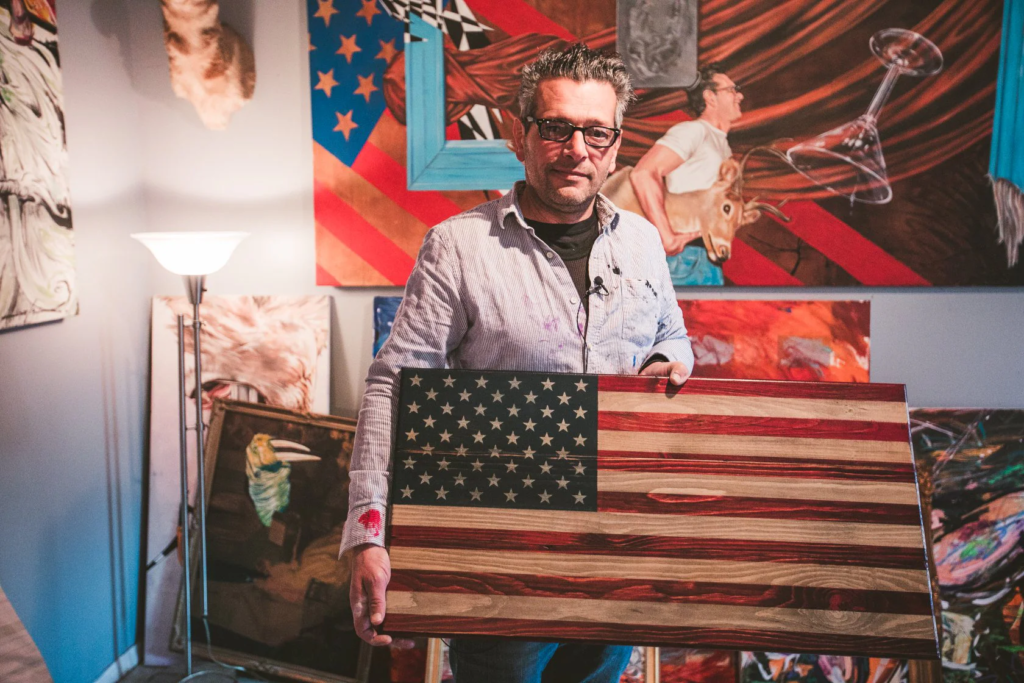
Scott LoBaido is a Staten Island-based artist who has built a reputation as a “creative patriot.” For more than three decades, his work has focused on celebrating American identity, often through large-scale American flag paintings and installations.
Unlike traditional artists, LoBaido uses his platform not just for artistic expression but also for political commentary. His projects frequently reflect his views on government policies, patriotism, and civic responsibility. Over the years, he has become known for pushing boundaries, whether through murals, protests, or controversial installations.
Who Is Zohran Mamdani?
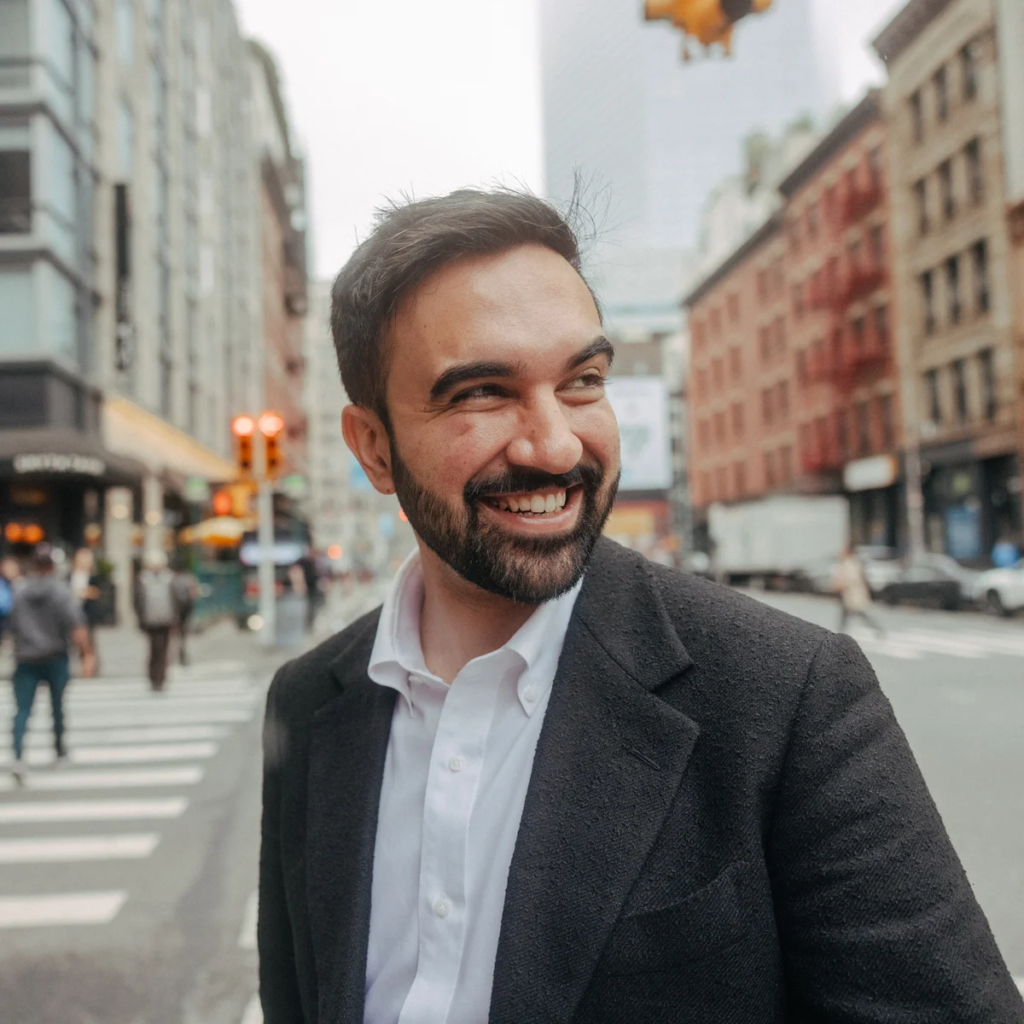
Zohran Mamdani is a rising political figure in New York City, known for his progressive policy proposals and growing support among younger voters. His platform often focuses on issues such as housing reform, economic inequality, and public services.
Mamdani represents a new generation of political leadership that emphasizes structural change and social equity. However, these ideas have also drawn criticism from more conservative voices, including LoBaido.
The Core of LoBaido’s Criticism
The criticism from Scott LoBaido centers on what he perceives as policies that conflict with his vision of American values and civic priorities.
While his statements are often delivered through social media or artistic expression rather than formal political debate, the underlying themes are clear. He has voiced concerns about policy directions that he believes could impact public safety, taxation, and the cultural identity of New York City.
LoBaido’s approach is not rooted in traditional political discourse. Instead, he communicates through bold symbolism, public statements, and visually striking art pieces that reflect his stance.
Art as Political Expression
One of the defining features of LoBaido’s activism is his use of art as a form of political expression. Rather than relying solely on speeches or written critiques, he creates visual narratives that convey his opinions.
His work often incorporates:
Patriotic imagery
American flags
Tributes to first responders
Symbolic representations of political figures
This approach allows him to reach audiences beyond traditional political channels. His art becomes a conversation starter, inviting both support and criticism.
A History of Provocative Activism
LoBaido’s criticism of Zohran Mamdani is consistent with his long history of activism. Over the years, he has engaged in numerous high-profile actions that blend art with protest.
One notable example is his involvement in protests against New York City speed cameras. In 2025, he admitted to using fake flowers to block cameras, describing it as a “beautification squad” effort aimed at challenging what he saw as revenue-driven enforcement.
This type of activism reflects his willingness to take unconventional approaches to make his point.
Recent Activities (2024–2026)
In recent years, Scott LoBaido has remained highly active.
In February 2026, he unveiled a new artwork titled “First Class,” marking his first official painting of the year. The piece continues his tradition of bold, patriotic themes and serves as another example of how he blends art with messaging.
He is also leading a petition to install a permanent giant American flag at Ground Zero in New York City. This initiative reflects his ongoing commitment to honoring national identity and historical memory.
At the same time, his political commentary—including his criticism of Mamdani—shows that he remains deeply engaged in current events.
The Broader Political Context
The exchange between LoBaido and Zohran Mamdani highlights a broader political divide in New York City.
On one side are progressive voices advocating for systemic change, and on the other are individuals like LoBaido who emphasize tradition, patriotism, and law-and-order values.
This divide is not unique to New York. It reflects national conversations about the direction of policy, governance, and cultural identity.
Public Reaction and Media Attention
LoBaido’s criticism has generated mixed reactions.
Supporters see him as a voice of patriotism who is unafraid to speak out against policies he disagrees with. They appreciate his creative approach and his commitment to expressing his beliefs.
Critics, however, argue that his methods can be polarizing and may oversimplify complex policy issues. They question whether artistic expression is an effective way to engage in political debate.
Despite differing opinions, one thing is clear: his actions attract attention and spark discussion.
The Role of Artists in Politics
The situation raises an important question about the role of artists in political discourse.
Artists have historically played a significant role in shaping public opinion. From protest art to political cartoons, creative expression has long been a tool for commentary and critique.
In the case of Scott LoBaido, this tradition continues in a modern context. His work demonstrates how art can be used to engage with contemporary political issues in a direct and impactful way.
Signature Style and Influence
LoBaido’s artistic style is instantly recognizable. His work is characterized by bold colors, strong symbolism, and a focus on national pride.
Projects like “Flags Across America,” where he traveled to all 50 states to paint American flags, have cemented his reputation as a leading figure in patriotic art.
His influence extends beyond galleries and exhibitions. By placing his work in public spaces, he ensures that his message reaches a wide audience.
Controversy and Its Impact
Controversy has been a constant element of LoBaido’s career. Whether through political installations or public protests, he often operates at the edge of public opinion.
This approach has both advantages and drawbacks. On one hand, it keeps him relevant and ensures that his work is widely discussed. On the other, it can alienate certain audiences.
His criticism of Zohran Mamdani fits into this pattern, reinforcing his role as a provocative figure in both art and politics.
Looking Ahead: What Comes Next?
As the New York City mayoral race continues, it is likely that voices like Scott LoBaido will remain active in shaping public conversation.
His ability to combine art and activism ensures that his perspective will continue to reach audiences in unique ways. Meanwhile, candidates like Zohran Mamdani will face both support and criticism as they present their visions for the city.
The interaction between these two figures represents more than a simple disagreement. It reflects the broader dynamics of modern political engagement, where creativity, media, and public opinion intersect.
FAQs
1. Who is Scott LoBaido?
Scott LoBaido is a Staten Island-based artist and activist known for patriotic artwork and political commentary.
2. Who is Zohran Mamdani?
Zohran Mamdani is a New York City mayoral candidate known for progressive policies.
3. Why is LoBaido criticizing Mamdani?
He disagrees with certain policies and their potential impact on New York City.
4. What type of art does LoBaido create?
He specializes in patriotic fine art, often featuring American flags and national themes.
5. What is “First Class”?
It is a painting released by LoBaido in February 2026.
6. What was his speed camera protest?
He used fake flowers to block cameras as a form of protest.
7. What is Flags Across America?
A project where he painted American flags in all 50 states.
8. Is LoBaido politically active?
Yes, he frequently engages in political commentary and activism.
9. How do people react to his work?
Reactions are mixed, with both support and criticism.
10. What is his latest focus?
He continues creating art and engaging in political discussions.
Conclusion
Scott LoBaido’s criticism of Zohran Mamdani underscores the powerful role that art and activism can play in political discourse. By combining creativity with commentary, LoBaido continues to influence conversations about policy, identity, and the future of New York City.
Whether one agrees with his views or not, his work ensures that the intersection of art and politics remains vibrant and thought-provoking.