
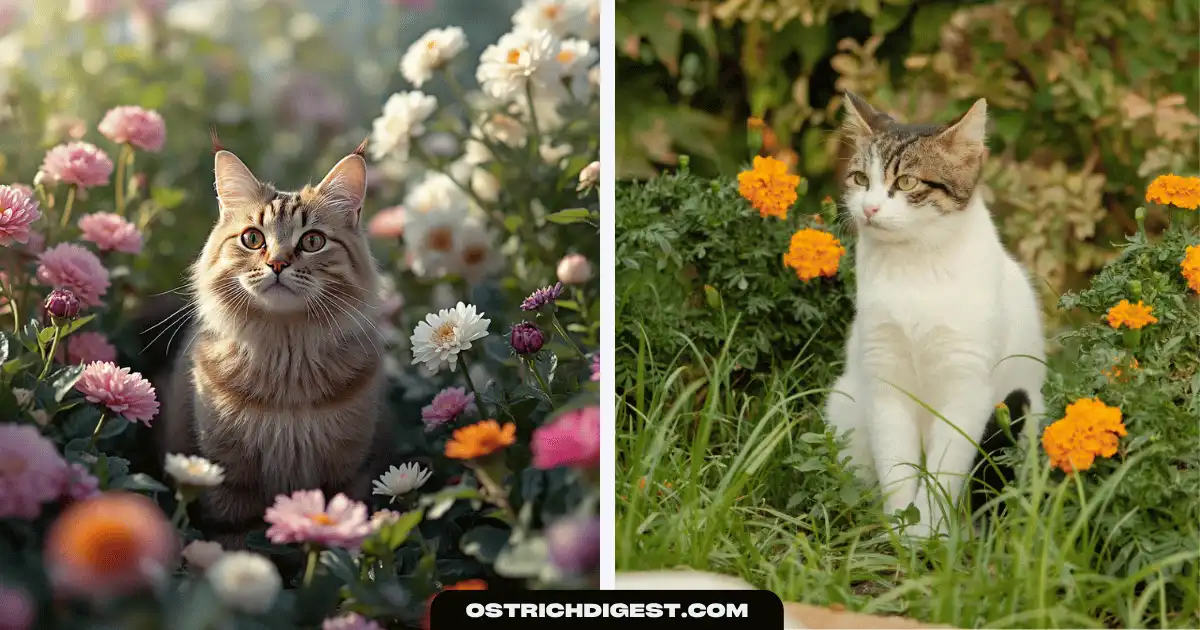
A new study out of the University of Pennsylvania School of Veterinary Medicine made headlines this year for a surprising reason: it confirmed that lily exposure can send a cat into kidney failure within hours, yet many owners still cannot identify which flowers in their home are dangerous. If you share your space with a cat, knowing which blooms are safe is not just a nice-to-have. It can be the difference between a pretty centerpiece and an emergency vet visit.
Why Flower Safety Matters More Than You Think
Cats are curious by nature, and houseplants or fresh bouquets often become irresistible targets for batting, chewing, or simply walking through. Many flowers that look harmless carry compounds that can cause anything from mild drooling to fatal organ damage. Pet Poison Helpline reports that plant-related calls remain among the most common they receive, with lilies topping that list every single year.
The tricky part is that toxicity varies enormously by species. A flower that causes nothing worse than an upset stomach in one plant family can cause irreversible kidney failure in another, even though both share the word “lily” in their common name. Therefore, knowing the difference matters far more than most people realize.
Flowers That Are Safe for Cats
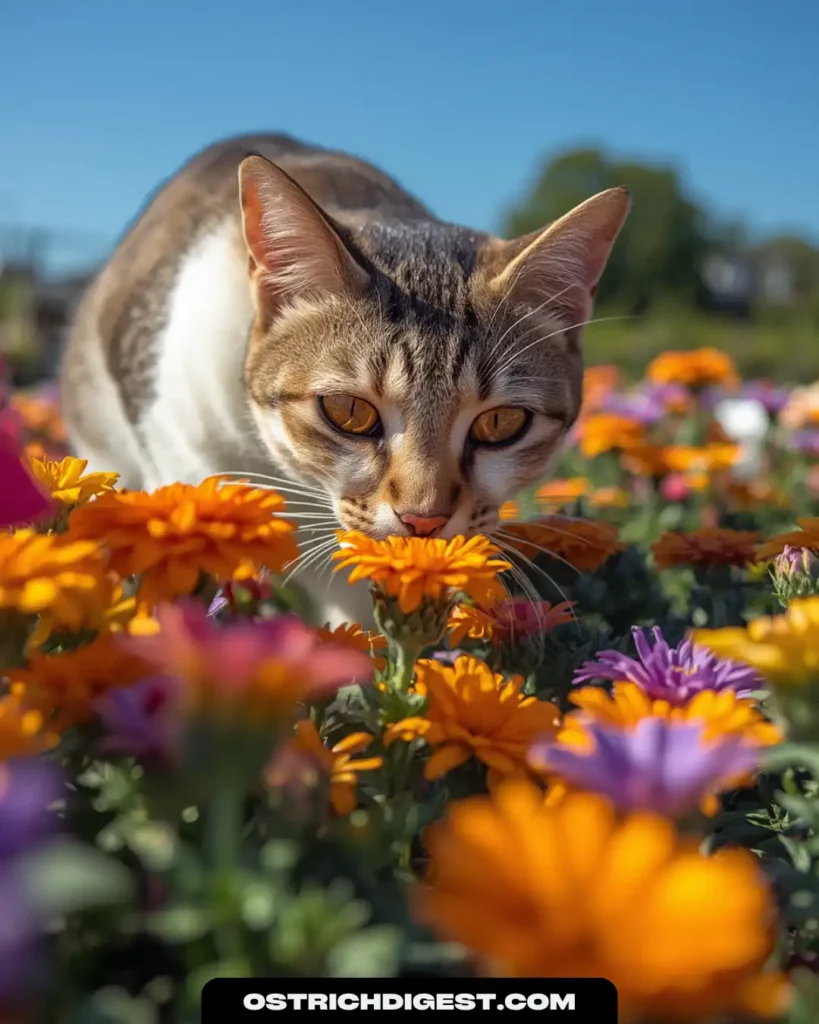
According to the ASPCA’s official toxic and non-toxic plant database, several popular flowers are considered safe for cats to be around, even if a curious cat takes a nibble. These include roses, sunflowers, snapdragons, gerbera daisies, lisianthus, zinnias, freesia, asters, statice, alstroemeria, and many orchid varieties, including Phalaenopsis. Roses deserve a quick note.
Orchids are often misunderstood. Always check the scientific name, since “orchid” covers an enormous range of plant families.
The Flowers You Should Never Bring Home
True lilies and daylilies are, without question, the most dangerous flowers a cat owner can have in the house. Every part of the plant is toxic: the petals, leaves, stem, pollen, and even the water sitting in the vase. A cat does not need to eat the flower to be poisoned. Simply brushing against the pollen and later grooming it off can be enough.
The consequences are severe. Veterinary toxicologists describe a timeline where vomiting begins within two to twelve hours, followed by kidney damage that can appear as early as twelve hours after exposure. Without treatment, that damage often becomes fatal within one to three days. There is no antidote, which means prevention is the only real defense.
Confusingly, several plants use the word “lily” without belonging to the dangerous Lilium or Hemerocallis groups. Peace lilies and calla lilies will not cause kidney failure, but they still irritate the mouth and throat due to calcium oxalate crystals. Lily of the Valley is a separate problem entirely, since it contains compounds that can disrupt a cat’s heart rhythm. None of these plants belong in a cat-friendly home, even though their danger levels differ. Tulips, daffodils, azaleas, and chrysanthemums round out the list of common offenders.
Quick Reference: Safe vs. Unsafe Flowers
| Category | Examples | Notes |
|---|---|---|
| Generally safe | Roses, sunflowers, snapdragons, gerbera daisies, zinnias, freesia, asters, statice, lisianthus, alstroemeria, many orchids | Watch for thorns and stem fragments |
| Lily-family danger | True lilies (Lilium), daylilies (Hemerocallis) | Causes acute kidney failure; every part is toxic, including vase water |
| “Lily” in name but different risk | Peace lily, calla lily, Lily of the Valley | Not kidney-toxic, but cause mouth irritation or heart rhythm issues |
| Common bouquet hazards | Tulips, daffodils, azaleas, chrysanthemums, baby’s breath, eucalyptus | Avoid entirely in cat households |
How to Build a Cat-Safe Bouquet
The simplest approach is to shop for flowers yourself rather than relying on delivery services.
Grocery stores frequently carry excellent cat-safe options at a fraction of delivery prices. Roses, sunflowers, and gerbera daisies are widely available year-round at most major chains, and buying in person lets you inspect every stem before it enters your home.
If you would rather skip cut flowers altogether, several houseplants with seasonal blooms are also considered safe, including certain orchid species and the Saffron Spike Zebra Plant. However, even non-toxic plants can cause mild stomach upset if a cat eats a large amount, so supervision is still worthwhile.
What to Do If Your Cat Eats a Flower
Even non-toxic plant material can lead to vomiting, diarrhea, or a temporary loss of appetite if your cat eats enough of it. Consequently, any unusual eating of flowers or leaves is worth monitoring closely for the next 24 hours.
If you know or suspect your cat has come into contact with a true lily or daylily, in any form, treat it as an emergency. According to the ASPCA, treatment within roughly 18 hours of exposure offers the best chance of preventing permanent kidney damage. Do not wait for symptoms to appear, since early signs are often subtle and easy to miss.
Keep the numbers for the ASPCA Animal Poison Control Center and the Pet Poison Helpline saved in your phone before you need them. Both operate 24 hours a day, and a quick call can guide you on whether a vet visit is necessary.
Beyond Flowers: Houseplants Cats Can Safely Explore
Bouquets are not the only greenery competing for your cat’s attention. Many households also keep houseplants year-round, and several popular varieties are just as risky as toxic cut flowers. The good news is that the ASPCA’s safe list extends well beyond flowers into ferns, palms, and trailing greenery that cats often enjoy investigating.
Spider plants are a frequent recommendation because cats seem genuinely drawn to their long, grass-like leaves, and the plant tolerates being knocked around without much complaint. Boston ferns and areca palms offer lush texture for homes that want a tropical look without worry. Calatheas and African violets add color through foliage and small blooms while remaining non-toxic if a cat takes a bite.
Succulent lovers should be careful, since this is a category where assumptions go wrong often. Burro’s tail and zebra haworthia are both considered safe, but jade plants and aloe vera, two of the most common succulents sold in stores, are toxic to cats. Consequently, checking each species individually before bringing it home is worth the extra few minutes.
Herbs and Grasses Cats Actually Want to Eat
Unlike ornamental flowers, some plants exist almost entirely for your cat’s benefit. Catnip is the most famous option, and for good reason. Fresh or dried catnip leaves are fine, but the essential oil form should be avoided. Several kitchen herbs double as cat-safe snacks.
Building a Cat-Friendly Indoor Garden
If you want to go further than avoiding toxic plants, creating a dedicated space for your cat to explore can reduce their interest in your other greenery. A simple approach involves grouping two or three safe plants together in one sunny corner, ideally with a soft rug or mat underneath for comfortable lounging.
Cat grass grows quickly and is best refreshed every ten to fourteen days, since cats tend to favor it heavily once it is available. A shallow tray or even a repurposed litter box filled with soil works well for growing a grass mix at home. Pairing a grass tray with a pot of catnip placed nearby gives most cats both a chewing outlet and a play trigger in one space.
For households with outdoor access, a “catio,” an enclosed patio or balcony space, allows cats to experience fresh air and plant life without the risk of toxic exposure or escape. Tall grasses, ferns, and palms such as areca or parlor palms can fill out a catio safely, while sago palms should be avoided entirely, since they are highly toxic despite their popularity in tropical-style gardens. A few practical notes can help any cat-friendly garden run smoothly.
Seasonal Considerations for Cat Owners
Certain times of year bring predictable spikes in flower-related risk. Easter is the most notable example, since true lilies are a traditional centerpiece of Easter arrangements and Pet Poison Helpline consistently reports lily-related calls clustering around the holiday. If lilies show up as a gift during this season, the safest move is to remove them from the home entirely rather than try to keep them out of reach.
Valentine’s Day bouquets create a different kind of risk, mostly through filler greenery. Checking a bouquet’s full ingredient list, not just the headline flower, is worth the extra minute before bringing it inside.
During the winter holidays, poinsettias, holly, and mistletoe all make seasonal appearances and carry their own toxicity concerns. While poinsettias tend to cause only mild irritation, holly berries and mistletoe can lead to more serious gastrointestinal or cardiovascular symptoms if ingested in quantity.
Spring and summer bring an increase in outdoor risk as gardens bloom and cats spend more time exploring yards. Tulip and daffodil bulbs are particularly concentrated sources of toxins, so any planting or digging activity in a yard with cat access should account for which bulbs are going into the ground.
Recognizing Early Warning Signs
Because so many toxic plants share overlapping early symptoms, learning to recognize the basics can buy valuable time. Drooling, vomiting, lethargy, and a sudden loss of appetite are the most commonly reported first signs across nearly every toxic plant category, from lilies to bulb flowers.
For lily exposure specifically, the timeline matters enormously. Vomiting often appears first, sometimes within just two hours, while kidney-related symptoms such as increased thirst, increased urination, or reduced urine output may not show up until twelve to twenty-four hours later. Waiting for those later signs before seeking help can mean the difference between a full recovery and permanent kidney damage.
If you notice your cat pawing at its mouth, drooling excessively, or showing sudden disinterest in food after any contact with a new plant or bouquet, treat it as a reason to call your vet rather than wait and see. Keeping a small clipping or photo of any plant your cat interacted with can help your veterinarian identify the substance quickly if symptoms do develop.
Frequently Asked Questions
What flowers are completely safe for cats?
Roses, sunflowers, snapdragons, gerbera daisies, zinnias, freesia, asters, statice, lisianthus, and many orchid varieties are all listed as non-toxic by the ASPCA. Even so, supervise your cat around any fresh-cut flowers.
Are all lilies dangerous to cats?
No. True lilies and daylilies cause fatal kidney failure, but peace lilies and calla lilies, despite their name, do not cause the same kidney damage.
Can a cat get sick just from lily pollen?
Yes. A cat that grooms lily pollen off its fur can absorb enough toxin to develop kidney failure, even without ever chewing the plant itself.
How fast does lily poisoning affect a cat?
Vomiting can begin within two to twelve hours of exposure, with kidney damage appearing as early as twelve hours afterward. Without treatment, the damage often becomes irreversible within one to three days.
Discover about Kayoko Ohtani