
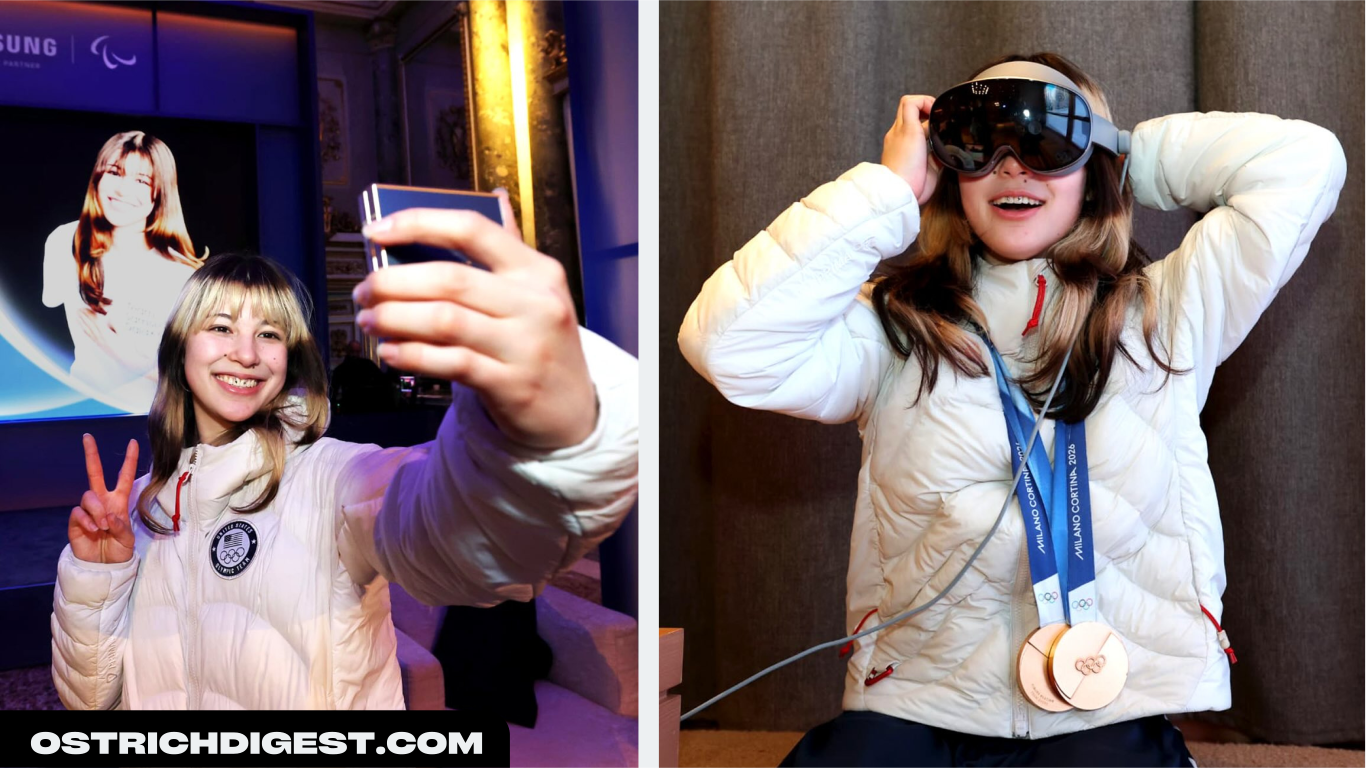
Starting Point
When people search for Alysa Liu ethnicity, they are trying to understand one of the most fascinating and unconventional family stories in American sports. Alysa Liu is not just a record-breaking figure skater. She is also a young woman whose background is genuinely unique — shaped by immigration, political refuge, modern science, and a father who made extraordinary choices to build the family he wanted.
Alysa Liu is biracial — half Chinese and half white, a heritage sometimes referred to as Wasian, a portmanteau of White and Asian. Her father, Arthur Liu, is a Han Chinese immigrant from Sichuan province in China. Her biological maternal side comes from an anonymous Caucasian egg donor, a deliberate choice made by her father because he wanted his children to have a diverse, multicultural gene pool. Furthermore, she and all four of her siblings were born through in vitro fertilization and gestational surrogacy — one of the most remarkable birth stories in professional sports.
This article covers everything about Alysa Liu’s ethnicity — her father’s journey from China to California, the political history that shaped his decisions, how her family came to exist, her cultural identity as a Chinese-American athlete, her Olympic achievements, and what her heritage means to her personally and professionally. Moreover, it explores how her unique background connects to her extraordinary career on the ice.
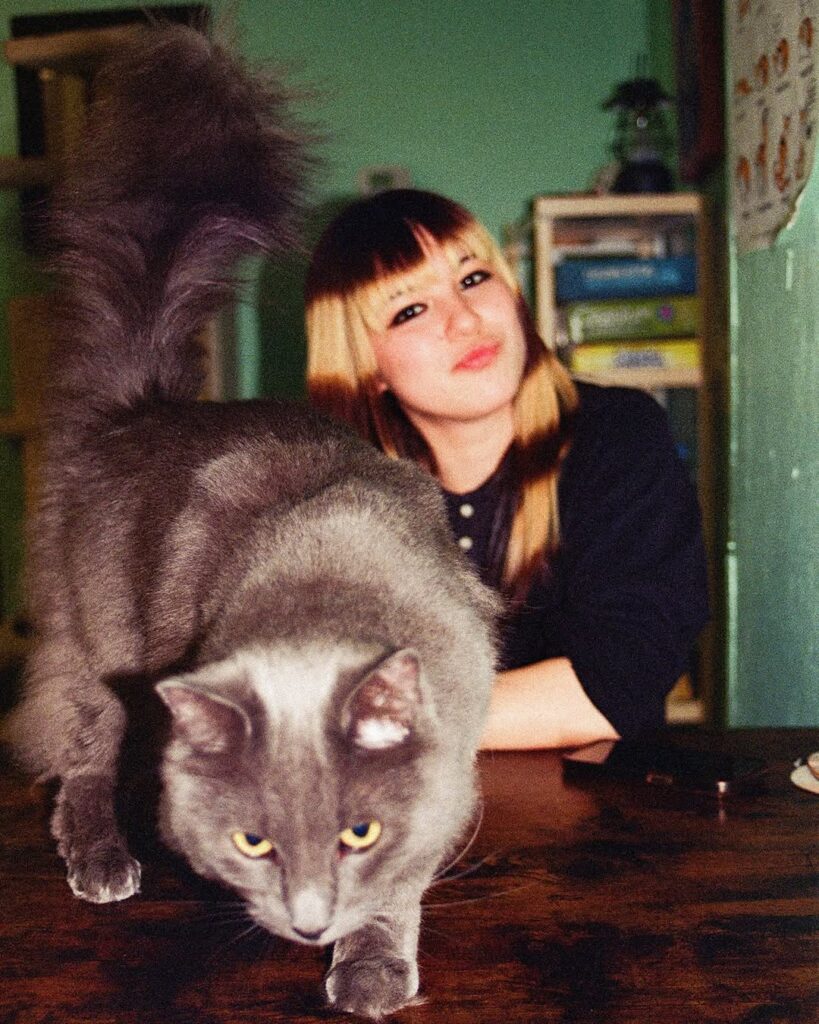
Who Is Alysa Liu? A Quick Overview Before We Explore Her Ethnicity
Before diving into Alysa Liu’s ethnicity in detail, it helps to understand how remarkable her athletic career has been. Her heritage is fascinating on its own. However, understanding who she is as an athlete gives that heritage its full context.
Alysa Liu was born on August 8, 2005, in Clovis, California, a suburb of Fresno in the Central Valley. She was raised in the San Francisco Bay Area, predominantly in Oakland. Alysa is one of the most accomplished figure skaters in American history, with a list of firsts that is genuinely breathtaking.
Alysa won a world title at the 2025 World Championships, becoming the first U.S. woman to do so since Kimmie Meissner in 2006. At the 2026 Winter Olympics, she became the first American woman to win an individual medal since Sasha Cohen in 2006, as well as the first American gold medalist since Sarah Hughes in 2002. Furthermore, Liu was the first woman to complete a quadruple jump and a triple Axel in the same program, and the first American woman to land a quadruple jump.
She made history as the youngest U.S. national champion at just 13 years old. Additionally, she briefly retired at 16 before making a remarkable comeback in 2024 on her own terms. As a result, her career arc is as unconventional and compelling as her family story.
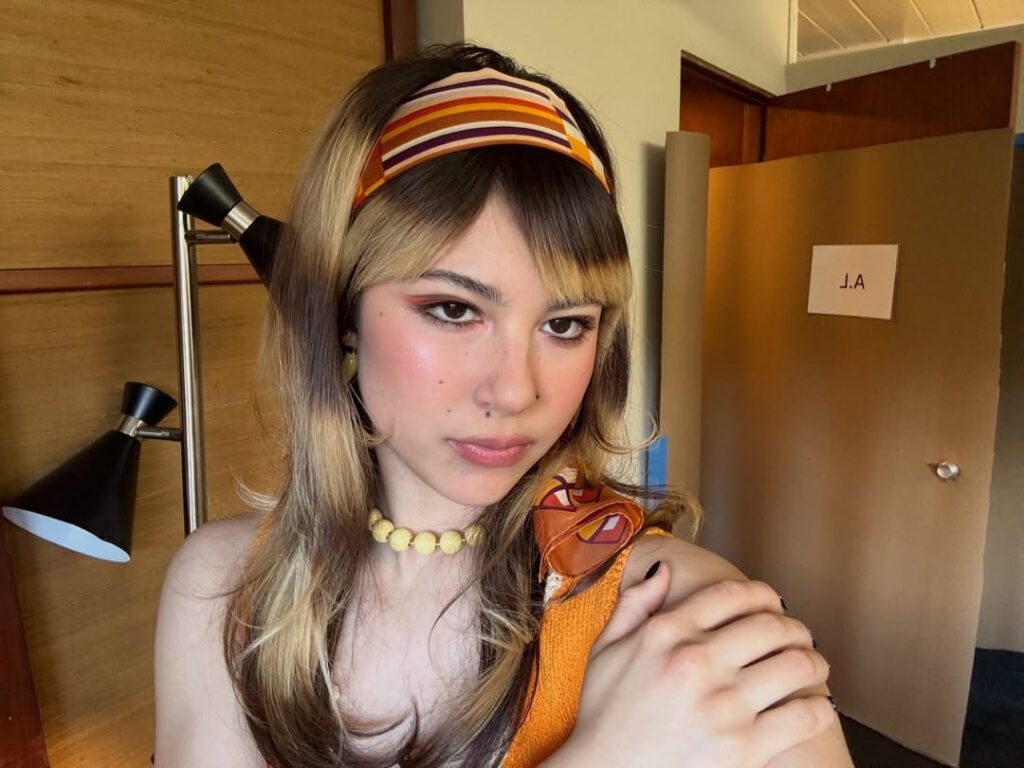
Quick Bio Table — Alysa Liu
| Detail | Information |
|---|---|
| Full Name | Alysa Liu |
| Date of Birth | August 8, 2005 |
| Birthplace | Clovis, California, USA |
| Raised In | Oakland, California (San Francisco Bay Area) |
| Nationality | American |
| Ethnicity | Biracial — Chinese and Caucasian (Wasian) |
| Father | Arthur Liu (Chinese-American, from Sichuan, China) |
| Biological Maternal Side | Anonymous Caucasian egg donor |
| Siblings | Selina, Joshua, Justin, Julia |
| Sport | Figure Skating |
| Major Titles | 2026 Olympic Gold, 2025 World Champion, 2x US National Champion |
Alysa Liu Ethnicity Explained: Half Chinese, Half White
The answer to the question of Alysa Liu’s ethnicity is both straightforward and deeply layered. She is biracial — her father is Chinese and her biological maternal genetics come from a Caucasian egg donor. In modern popular culture, this combination is often referred to as Wasian, a blended term that has become widely used to describe people of mixed White and Asian heritage.
The Chinese Side: Her Father Arthur Liu
Alysa Liu comes from a diverse, mixed-race background. She is biracial, with her ethnicity being a blend of Chinese and Caucasian heritage. Her father, Arthur Liu, is a Han Chinese immigrant from Sichuan province in southwestern China.
Arthur Liu was born and raised in a small mountain village in China’s Sichuan Province, where he was one of six children in a modest family — his father held a government job, and his mother worked as a farmer. Sichuan is one of China’s most culturally rich provinces, known for its spicy food, its mountainous landscape, and its deeply rooted traditions. Growing up in that environment shaped Arthur in ways that would later influence every decision he made as a father and an immigrant.
The Caucasian Side: The Anonymous Egg Donor
The maternal side of Alysa Liu’s ethnicity comes from a deliberate parental choice rather than a traditional family connection. Alysa’s biological mother was an anonymous egg donor who was white. Arthur specifically chose white egg donors because he wanted his children to have a multicultural heritage.
The reason why he intentionally chose Caucasian egg donors for his children was that he “felt his children would benefit from a diverse gene pool,” according to an interview with Sports Illustrated.
This decision was both personal and thoughtful. Arthur understood from his own experience as an immigrant that navigating between cultures was a fundamental life skill. Furthermore, he believed that giving his children a biological connection to both Eastern and Western heritage would equip them better for life in a multicultural society. As a result, Alysa grew up with a genuine, embodied connection to both parts of her heritage rather than just a cultural one.
The Wasian Identity
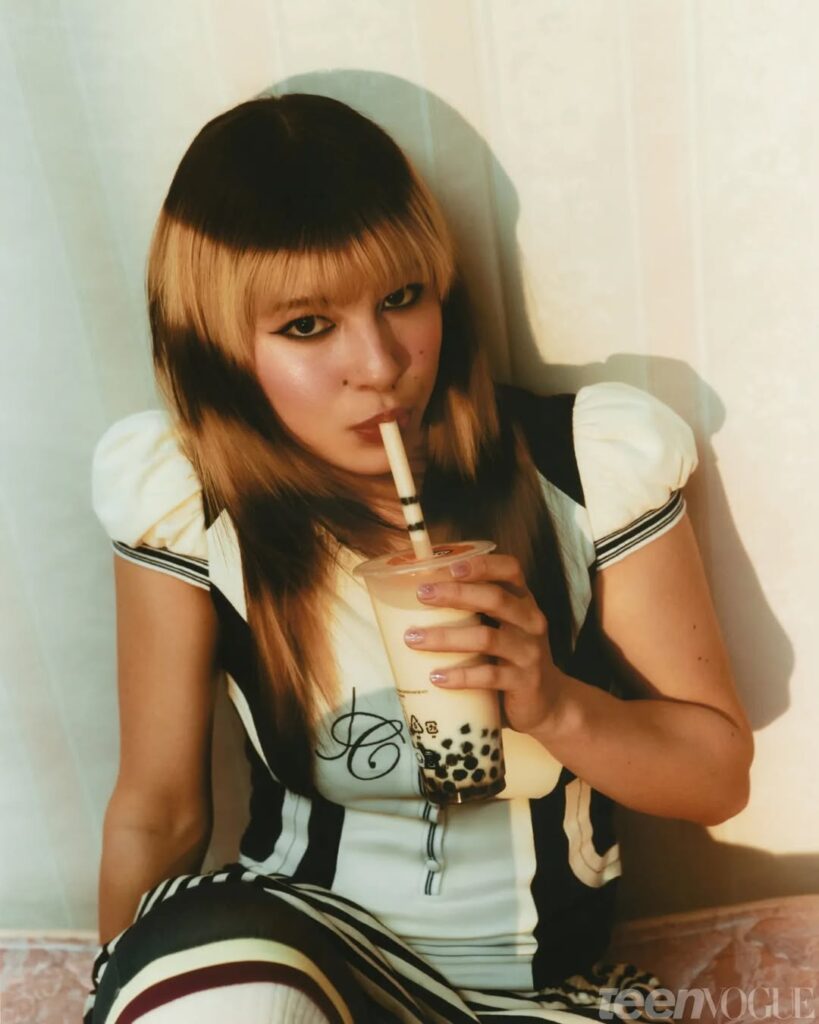
Alysa Liu is half-Chinese and half-white, colloquially known as Wasian — the word comes from a portmanteau of white and Asian. She’s garnering lots of attention for her alt looks and being in the “Wasian Hall of Fame” with several viral celebrities like Hudson Williams and fellow Olympic gold medalist Eileen Gu.
The Wasian identity has become an increasingly visible cultural conversation in recent years. Mixed Asian-Western individuals often navigate a unique space between cultures — fully belonging to neither while drawing strength from both. For Alysa, that dual identity is not a source of conflict. It appears to be a source of confidence. She represents the United States in competition while honouring her father’s Chinese roots, and she moves between those two worlds with the ease of someone who has always been at home in both.

Arthur Liu: The Extraordinary Father Behind Alysa’s Heritage
Understanding Alysa Liu’s ethnicity requires understanding her father deeply. Arthur Liu is not simply a Chinese immigrant who moved to America. His story is one of political courage, extraordinary sacrifice, and a fierce commitment to building a better life — first for himself and then for the family he chose to create.
From Sichuan to the United States: A Political Refugee’s Journey
He came to the United States as a political refugee after advocating for democracy in his home country. Specifically, at age 25, he immigrated to the U.S. as a political refugee following his involvement in organizing pro-democracy demonstrations around the 1989 Tiananmen Square protests, seeking asylum and eventually earning a law degree from the University of California.
The Tiananmen Square protests of 1989 were one of the most significant political events in modern Chinese history. Students and activists gathered in Beijing’s Tiananmen Square to demand democratic reform and freedom of expression. The Chinese government’s response was a military crackdown that resulted in hundreds, possibly thousands, of deaths. Those who had participated in organising the protests faced serious danger if they remained in China.
Arthur’s involvement in these democracy movements meant that staying in China was not safe. As a result, he left the country he had grown up in and built his entire adult life somewhere entirely new. That journey — from a mountain village in Sichuan to political activist to American lawyer and single father — is one of the most remarkable individual stories in the broader narrative of immigration to the United States.
Building a New Life in California
When he first arrived in California, Arthur worked in a Chinese restaurant to earn money while he went to law school. Today, he has his own law practice. Settling in the Bay Area, Arthur established his own law practice, Inter-Pacific Law Group Inc., and became a dedicated advocate for his children’s futures.
His journey from restaurant worker to attorney to successful single father reflects exactly the kind of resilience and determination that he would later instil in his daughter. Furthermore, that same work ethic — the willingness to start from nothing and build something through persistent daily effort — directly mirrors the dedication that Alysa brings to her figure skating career.
The Decision to Become a Single Parent Through IVF
Choosing to become a single parent at 40, Arthur welcomed his five children through in vitro fertilization, using anonymous egg donors and gestational surrogates. This was not a decision made by accident or circumstance. It was a deliberate, considered choice by a man who had survived enormous adversity and wanted to build a family on his own terms.
The decision to use Caucasian egg donors reflected his belief in the value of multicultural heritage. Furthermore, raising five children as a single parent while running a law practice is an extraordinary undertaking that speaks to his character and his priorities. As a result, Arthur Liu is not simply a background figure in Alysa’s story. He is one of its central protagonists.
His Role in Alysa’s Skating Career
He played a huge role in Alysa’s skating career. He introduced her to the sport when she was five years old because he was a big fan of figure skater Michelle Kwan. That introduction changed everything.
He acted as both her father and her manager. From the very beginning, he was involved in her daily routine. He would drive her to the skating rink very early in the morning and travel with her to competitions all over the world. He took care of everything off the ice, like finding coaches, handling money, and talking to the media.
Furthermore, Arthur’s decision to invest in Alysa’s skating was estimated to cost between $500,000 and $1 million, despite having no prior experience in the sport. That level of financial commitment, from a man who had once worked in a restaurant to pay for law school, reflects a depth of parental dedication that is genuinely remarkable.

The IVF Birth Story: A Unique Family Origin
One of the most discussed aspects of Alysa Liu’s background is how she and her siblings came into the world. Alysa Liu has a unique birth story that was made possible by modern science. She and all her siblings were born through in vitro fertilization or IVF.
Five Children, All Born Through Surrogacy
Alysa shares the same surrogate with her triplet siblings, whom she has met, adding a personal layer to their unconventional origins. Her siblings are Selina, Joshua, Justin, and Julia. Together, the five children form a close-knit household that has been a constant source of support and normalcy throughout Alysa’s demanding athletic career.
Ethnically, Alysa Liu and her siblings are Chinese-American, inheriting their father’s Chinese roots while incorporating diverse elements from their Caucasian egg donors — a deliberate choice by Arthur to create a multicultural gene pool.
This family structure is genuinely unusual. However, rather than defining the family as strange or unconventional in a negative sense, it reflects a father who thought deeply about what kind of people he wanted to raise and made every decision with that vision in mind. Furthermore, the closeness of the family — evident in how much Alysa speaks about her siblings — suggests that the unconventional origin has not diminished the genuine warmth and strength of their bonds.
Growing Up in a Multicultural Household
Growing up in Oakland, California, with a father from Sichuan, China, and a biracial identity that bridged Chinese and Caucasian heritage, Alysa experienced multiculturalism not as an abstract concept but as the daily reality of her home life. Furthermore, the Bay Area itself is one of the most culturally diverse regions in the United States, which provided an environment where her mixed heritage felt natural and celebrated rather than unusual.
Alysa has said in interviews that growing up in a house with four siblings made her outgoing because she was always talking to people from a young age. That social confidence is visible in how she carries herself in competition and in public — warmly, directly, and without self-consciousness.
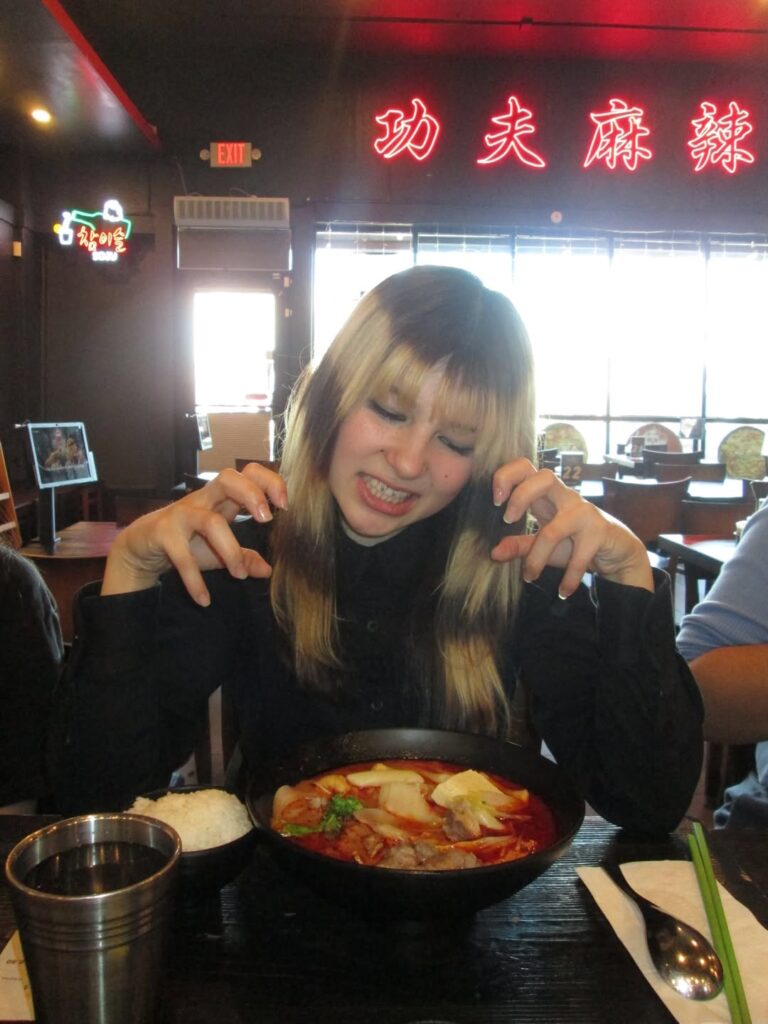
Alysa Liu’s Cultural Identity: Chinese-American on Her Own Terms
Understanding how Alysa Liu relates to her own ethnicity requires understanding that she is not defined by either side of her heritage alone. She is fully Chinese-American — a genuine product of both cultures whose identity does not require choosing between them.
Her Connection to Chinese Culture
Her father’s stories, values, and experiences have given Alysa a deep connection to Chinese culture even though she was born and raised in California. Arthur’s background in Sichuan, his history as a political activist, and his long career representing Chinese-American clients through his law practice all kept Chinese cultural consciousness present in the household.
Moreover, the 2022 Beijing Olympics brought Alysa’s Chinese heritage into sharp relief in a complicated way. Her father could not travel to Beijing with her because of his history as a political dissident. During the 2022 Winter Olympics in Beijing, Arthur could not go with her because of his history as a political activist in China. He worked with the FBI to make sure Alysa was safe while she competed.
That moment highlighted the tension that can exist between cultural heritage and political history. Alysa was competing in the country of her father’s birth, representing the country of her own birth, while her father — who could not safely enter China — worked with federal authorities to ensure her protection from across the ocean. As a result, the 2022 Olympics were a profoundly layered experience that reflected the full complexity of what it means to be Chinese-American.
Her Voice on Immigration and Government
Liu has added her voice to fellow U.S. athletes who have spoken out about immigration enforcement during the 2026 Winter Games, as the Trump administration intensified deportation efforts and expanded federal immigration raids.
Her willingness to speak on these issues reflects the same values her father instilled in her. He was a pro-democracy activist who risked everything to speak truth to power. His daughter, decades later, uses her platform to speak about immigration and government policy with the same directness. She told reporters: “I definitely do really care about what our country is doing, and I think it is really important also to notice the faults in our own government. Very similar to my dad.”
That connection between her father’s political courage and her own public statements is one of the most meaningful threads running through the story of Alysa Liu’s ethnicity and identity.
Alysa Liu’s Skating Career: How Her Heritage Shaped Her Journey
The connection between Alysa Liu’s ethnicity and her skating career is not incidental. Her father’s admiration for Michelle Kwan — herself a Chinese-American figure skating legend — is literally what started everything.
The Michelle Kwan Inspiration
He introduced her to the sport when she was five years old because he was a big fan of figure skater Michelle Kwan. Michelle Kwan is one of the most celebrated figure skaters in American history. She is also Chinese-American. The fact that Alysa’s introduction to her sport came through her father’s admiration for a Chinese-American skater creates a beautifully circular cultural narrative.
Furthermore, as Alysa has grown into a champion in her own right, she has added her name to a lineage of Asian-American excellence in figure skating that includes not only Kwan but also Kristi Yamaguchi and, more recently, fellow biracial skater Eileen Gu. As a result, her story is both a personal achievement and a continuation of a cultural legacy.
A Historic Career Built on Firsts
Alysa’s list of historic firsts in figure skating is extraordinary for someone who is only 20 years old. She became the youngest U.S. national champion in history at 13. She was the first American woman to land a quadruple jump in competition. Furthermore, she was the first woman to complete a quadruple jump and a triple Axel in the same program.
After a brief retirement following the 2022 Beijing Olympics — driven by burnout at the age of just 16 — she made a comeback in 2024 that was entirely on her own terms. She won a world title at the 2025 World Championships, becoming the first U.S. woman to do so since Kimmie Meissner in 2006.
Then came the 2026 Winter Olympics. Rising skating star Alysa Liu captured two Olympic gold medals in Milan, first helping the U.S. win the team event and then claiming the women’s singles title on February 19. The 20-year-old Oakland, California, native delivered a decisive free skate to secure her individual victory with 226.79 points. In doing so, she became the first woman since Sarah Hughes at the 2002 Salt Lake City Games to win Olympic singles gold, ending a 24-year drought for U.S. women in the event.
The Comeback Story
Her decision to retire at 16 and return at 18 is itself a reflection of her character. Most athletes who retire young at the peak of their career do not come back — and those who do rarely achieve the same heights. Alysa returned stronger, more mature, and with a clearer sense of why she loved the sport.
She later explained that her return was partly motivated by trying skiing for the first time and missing the adrenaline that competitive skating had given her. Furthermore, returning as a student at UCLA gave her a life outside the sport that she had not had as a teenager. As a result, the second chapter of her career has been built on genuine choice rather than expectation or pressure.
The Spy Allegations at the 2022 Beijing Olympics
One of the most dramatic episodes in Alysa Liu’s story is directly connected to her father’s Chinese background. During the 2022 Winter Olympics in Beijing, both Alysa and Arthur became involved in a situation that had geopolitical implications far beyond figure skating.
Arthur’s History as a Political Activist
Arthur Liu had been involved in organising pro-democracy demonstrations around the time of the 1989 Tiananmen Square protests. His status as a political refugee from China and his ongoing advocacy work through his legal career meant that his relationship with the Chinese government was, to put it mildly, complicated.
When Alysa was selected to compete at the 2022 Beijing Winter Olympics, Arthur faced a decision. He wanted to support his daughter at the most important competition of her young life. However, returning to China — a country he had fled decades earlier for political reasons — carried serious personal risk.
The FBI Involvement
The family also kept her safe. During the 2022 Winter Olympics in Beijing, Arthur could not go with her because of his history as a political activist in China. He worked with the FBI to make sure Alysa was safe while she competed.
The involvement of the FBI in a figure skating competition is extraordinary. It reflects the seriousness of the security concerns surrounding both Alysa and her father. Furthermore, it demonstrates that the political history embedded in Alysa Liu’s family background is not a distant or abstract thing. It had direct, real-world consequences for her participation in one of the world’s most high-profile sporting events.
Both Alysa and her father have remained willing to speak about human rights issues connected to China, further cementing their place in a broader story about Chinese-American identity, political courage, and the cost of speaking freely.
Key Attributes of Alysa Liu’s Ethnic and Cultural Background
| Attribute | Details |
|---|---|
| Ethnicity | Biracial — Chinese and Caucasian (Wasian) |
| Father’s Heritage | Han Chinese, Sichuan Province, China |
| Maternal Genetics | Anonymous Caucasian egg donor |
| Birth Method | IVF and gestational surrogacy |
| Father’s Immigration Status | Political refugee, 1989 Tiananmen protests |
| Father’s Profession | Attorney, Inter-Pacific Law Group Inc. |
| Raised In | Oakland, California (San Francisco Bay Area) |
| Cultural Connection | Chinese and American, bilingual household |
| 2022 Olympics Context | Father unable to attend due to China political history |
| Wasian Identity | Widely referenced in mixed-race cultural conversations |
Alysa Liu’s Siblings and Family Life
Alysa Liu’s siblings form a close-knit group that has cheered her on through competitions and milestones. Her younger sister, Selina, born two years after Alysa, is an active high school athlete playing varsity volleyball and soccer. Joshua, Justin, and Julia complete the five-child household that Arthur built.
All five siblings share the same multicultural heritage — Chinese paternal roots combined with Caucasian genetic contribution from the anonymous egg donors their father chose. Furthermore, all five were born through IVF and gestational surrogacy. As a result, the Liu family is one of the most genuinely unique family units in American sports history.
Alysa has spoken warmly about her siblings throughout her career. Growing up with four brothers and sisters in a busy Oakland household gave her the social confidence and the sense of normalcy that helped her navigate the pressures of elite sport from a very young age. Moreover, having people at home who knew her as simply a sister — not a skating champion — kept her grounded through both the highs and lows of her athletic journey.
What Alysa Liu’s Story Means for Asian-American Representation in Sports
The story of Alysa Liu’s ethnicity connects to a much larger conversation about Asian-American representation in elite sport — particularly in figure skating and at the Olympic level.
A Long Lineage of Chinese-American Excellence in Skating
Chinese-American athletes have shaped American figure skating for decades. Kristi Yamaguchi won Olympic gold in 1992. Michelle Kwan became one of the most beloved figure skaters of her generation. Tara Lipinski, though not Chinese-American, competed against Kwan in one of the sport’s most celebrated rivalries. More recently, athletes like Eileen Gu — a fellow biracial skater of Chinese and Caucasian heritage — have brought fresh attention to mixed Asian-American identity in winter sports.
Alysa’s gold medals at the 2026 Olympics add another landmark to this lineage. Furthermore, her particular background — the daughter of a political refugee, born through IVF, raised in Oakland — gives her story a texture and depth that goes beyond athletic achievement.
The Wasian Conversation
The growing visibility of Wasian identity in popular culture has given Alysa Liu a cultural resonance that extends well beyond the figure skating world. Her placement in what some have called the “Wasian Hall of Fame” alongside celebrities and athletes of similar heritage reflects a broader cultural moment in which mixed Asian-Western identity is being celebrated and examined with new attention and pride.
Her willingness to be seen as both Chinese and American — without having to choose, minimise, or explain either part — models exactly the kind of confident, dual-identity visibility that many biracial young people look for in public figures.
A Platform She Uses Thoughtfully
Alysa Liu does not shy away from the weight her background carries. She speaks about immigration policy, about her father’s history, and about the responsibilities that come with being a public figure at a politically sensitive moment. Furthermore, she does so in a way that reflects genuine thought and genuine care rather than calculated messaging.
As a result, she is not simply a great skater who happens to be of mixed heritage. She is a young woman who understands her own story and uses it to contribute meaningfully to public conversations that matter far beyond the ice rink.

Frequently Asked Questions About Alysa Liu Ethnicity
What is Alysa Liu’s ethnicity?
Alysa Liu is biracial. This makes her half Chinese and half white, a combination often referred to as Wasian — a portmanteau of White and Asian.
Is Alysa Liu Chinese-American?
Yes. Alysa Liu is Chinese-American. She was born in Clovis, California, raised in Oakland, and holds American nationality. Her father is a Chinese immigrant who became a U.S. citizen after arriving as a political refugee. Although her biological maternal connection comes from an anonymous Caucasian egg donor rather than a Chinese mother, her cultural upbringing has strong Chinese roots through her father’s heritage and values.
Who is Alysa Liu’s mother?
Alysa Liu does not have a traditional mother figure in the conventional sense. She was born through IVF using an anonymous Caucasian egg donor and a gestational surrogate. Her father, Arthur Liu, chose the egg donor deliberately to give his children a multicultural genetic heritage. Arthur was previously married to Yan Quingxin, who served as a legal guardian to the children during their early years even after the divorce. However, Alysa’s biological maternal connection is to an anonymous donor whose identity is not publicly known.
Why did Arthur Liu choose white egg donors for his children?
Arthur Liu chose Caucasian egg donors for all five of his children because he believed his children would benefit from a diverse gene pool, according to an interview he gave with Sports Illustrated. He wanted his children to have a multicultural heritage that blended his Chinese roots with Western genetics. This deliberate choice was part of his broader vision for raising children who would be comfortable in and connected to both Eastern and Western cultures.
Is Alysa Liu Wasian?
Yes. Alysa Liu is considered Wasian — a term used to describe people of mixed White and Asian heritage. The word is a portmanteau of White and Asian. Her Chinese paternal heritage and Caucasian maternal genetics make her biracial in a way that fits this increasingly recognised cultural identity. She has been cited as part of a growing group of high-profile Wasian public figures, alongside athletes like Olympic gold medalist Eileen Gu.
What happened at the 2022 Beijing Olympics regarding Alysa Liu’s safety?
During the 2022 Winter Olympics in Beijing, Alysa Liu competed without her father Arthur present. Arthur could not travel to China because of his history as a political activist who had participated in pro-democracy demonstrations around the time of the 1989 Tiananmen Square protests. His return to China would have posed a personal security risk. To protect Alysa during the competition, Arthur worked with the FBI to ensure her safety while she competed. Both Alysa and her father have spoken about their continued willingness to advocate for human rights issues connected to China.
What are Alysa Liu’s biggest achievements in figure skating?
Alysa Liu has an extraordinary list of achievements in figure skating. She became the youngest U.S. national champion in history at 13 years old. She was the first American woman to land a quadruple jump in competition. Furthermore, she was the first woman to complete a quadruple jump and a triple Axel in the same program. After a brief retirement, she won the 2025 World Championships — becoming the first American woman to win the title since 2006. At the 2026 Winter Olympics in Milan, she won two gold medals, including the women’s singles title, becoming the first American woman to win Olympic singles gold since 2002.
How many siblings does Alysa Liu have?
Alysa Liu has four siblings — Selina, Joshua, Justin, and Julia. All five children were born through IVF using anonymous egg donors and gestational surrogates, as arranged by their father Arthur Liu. Alysa shares the same surrogate as her triplet siblings. All five children share the same biracial heritage — Chinese paternal roots from their father and Caucasian genetics from the anonymous egg donors he chose. The Liu siblings are described as a close-knit group who have consistently supported Alysa throughout her skating career.
What is Alysa Liu’s nationality?
Alysa Liu’s nationality is American. She was born in Clovis, California, and has lived in the United States her entire life, primarily in Oakland and the broader San Francisco Bay Area. She competes internationally representing the United States and has done so at multiple Grand Prix events, World Championships, and two Winter Olympic Games. Despite her strong Chinese cultural heritage through her father, her competitive representation and her citizenship are firmly American.
Final Thoughts on Alysa Liu Ethnicity
Alysa Liu’s ethnicity is not simply a biographical footnote. It is the foundation of one of the most compelling stories in American sport. She is the daughter of a man who fled political persecution in China, worked in a restaurant to pay for law school, built a successful legal career, chose to become a single parent through science, and then introduced his daughter to the sport that would make her a world champion and Olympic gold medalist — because he admired Michelle Kwan.
Her biracial Chinese-Caucasian heritage gives her a unique place in the cultural conversation around Asian-American identity, mixed heritage, and what it means to represent your country when your own family history spans two very different worlds. Moreover, the way she carries that heritage — with confidence, directness, and a genuine sense of pride — makes her one of the most authentically compelling figures in her generation of athletes.
Furthermore, her willingness to speak about her father’s political history, about immigration, and about the responsibilities of public life shows a young woman who understands exactly what her story means and who refuses to let it be reduced to a simple talking point. As a result, the story of Alysa Liu’s ethnicity is ultimately a story about courage — her father’s courage in leaving China, and her own courage in becoming exactly who she is, on the ice and off it.